What if you could step into a space where gravity no longer exists and the relentless noise of the digital world finally falls silent? You've likely felt that heavy, lingering mental fatigue that a full weekend of sleep can't touch, or physical tension that even a deep massage fails to release. It's the weight of modern living; a constant hum of notifications and expectations that keeps your nervous system on high alert. Utilizing a float tank for relaxation offers a sanctuary from this digital burnout, providing a rare opportunity to disconnect from the external world and reconnect with your inner stillness.
True serenity isn't just about lying in water. It's a systematic process of sensory removal that requires the right physical and mental preparation to be truly effective. We understand that stepping into the unknown can feel daunting, but the reward is a state of total weightlessness and a profound, quiet mind. This comprehensive guide provides the ultimate checklist to help you decompress effectively. You'll learn exactly how to prepare for your session to ensure you achieve the deep recovery, improved sleep quality, and mental clarity you've been searching for.
Key Takeaways
- Understand the science of buoyancy and how 500kg of Epsom salts create a weightless environment for deep physical recovery.
- Learn the essential pre-float preparation steps, including a digital detox and nutritional timing, to prime your mind for total stillness.
- Discover the physiological timeline of using a float tank for relaxation, from releasing initial muscle tension to achieving full vasodilation.
- Identify whether a 60-minute restorative session or a 90-minute deep meditative journey best aligns with your personal wellness goals.
- Master the post-float checklist to ensure a gentle re-entry into the world and explore the unique benefits of shared serenity with couple sessions.
What is a Float Tank for Relaxation? The Science of Stillness
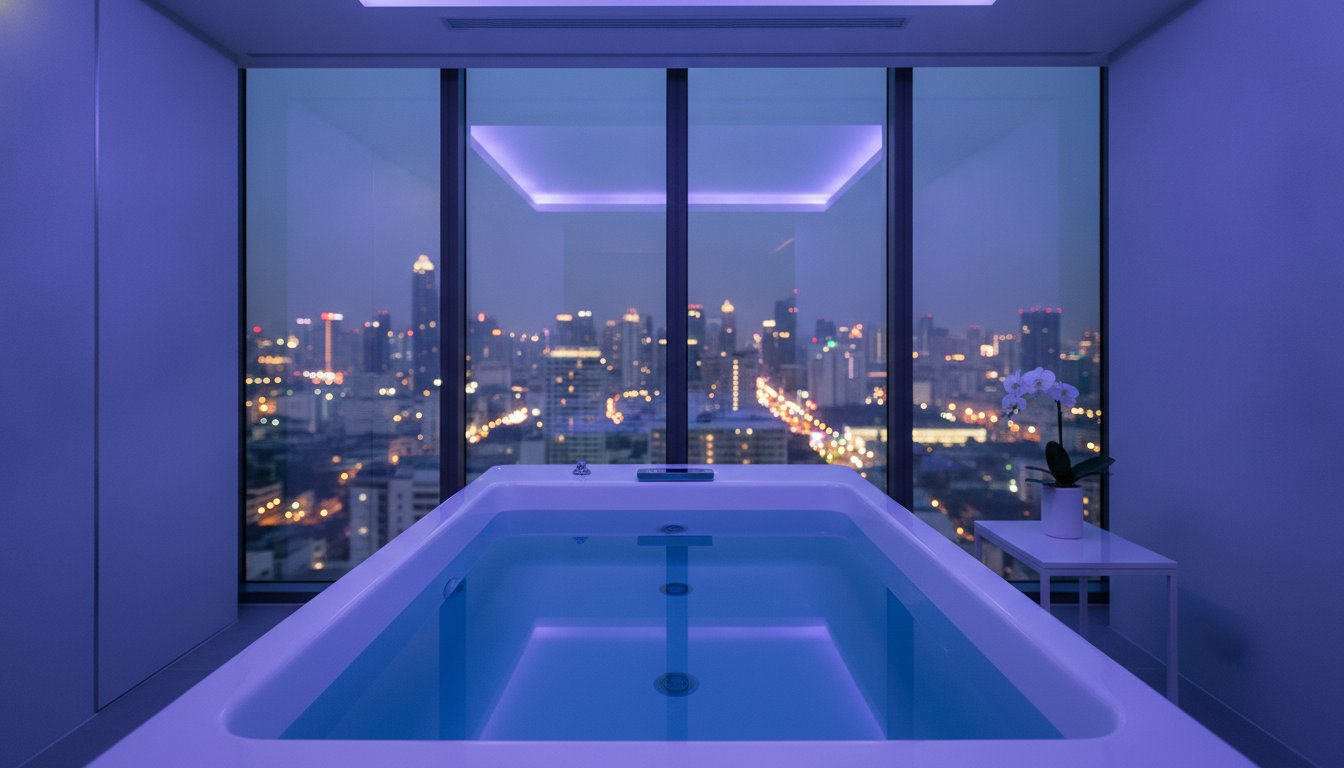
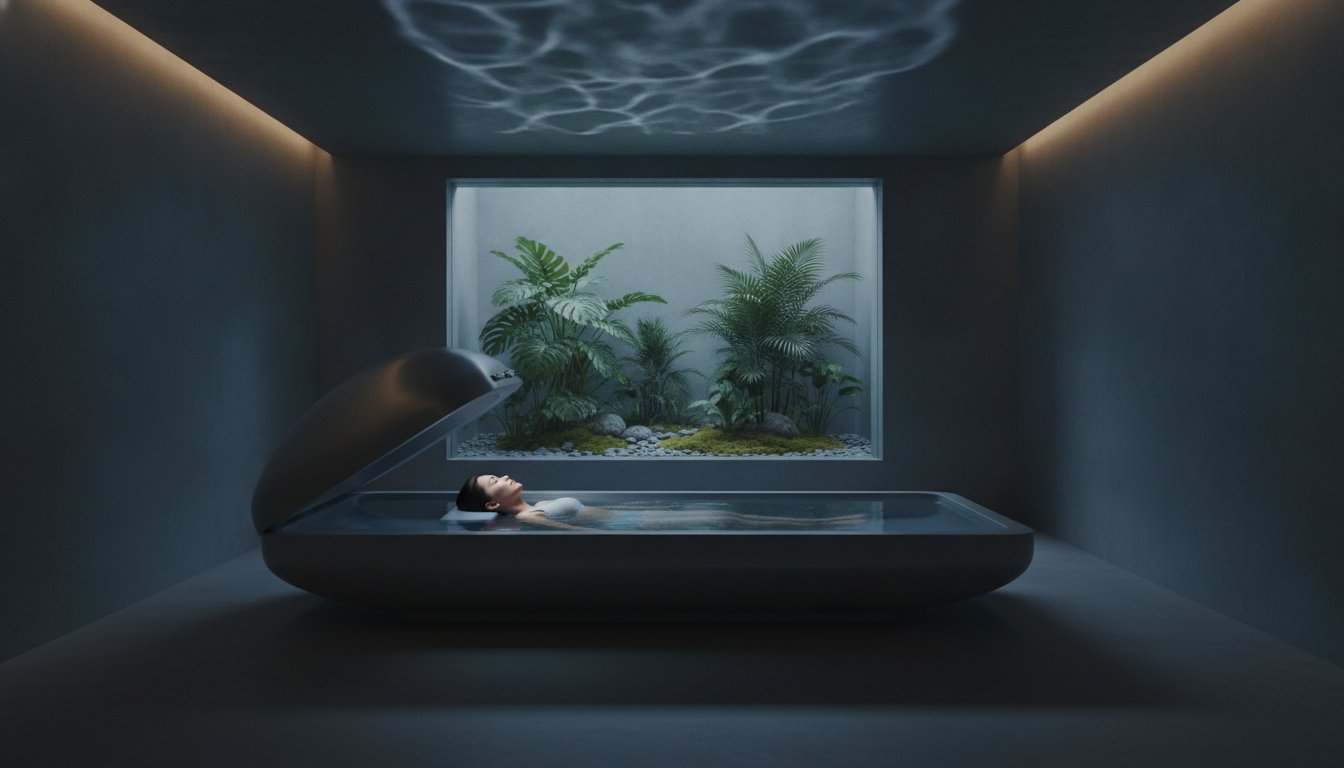
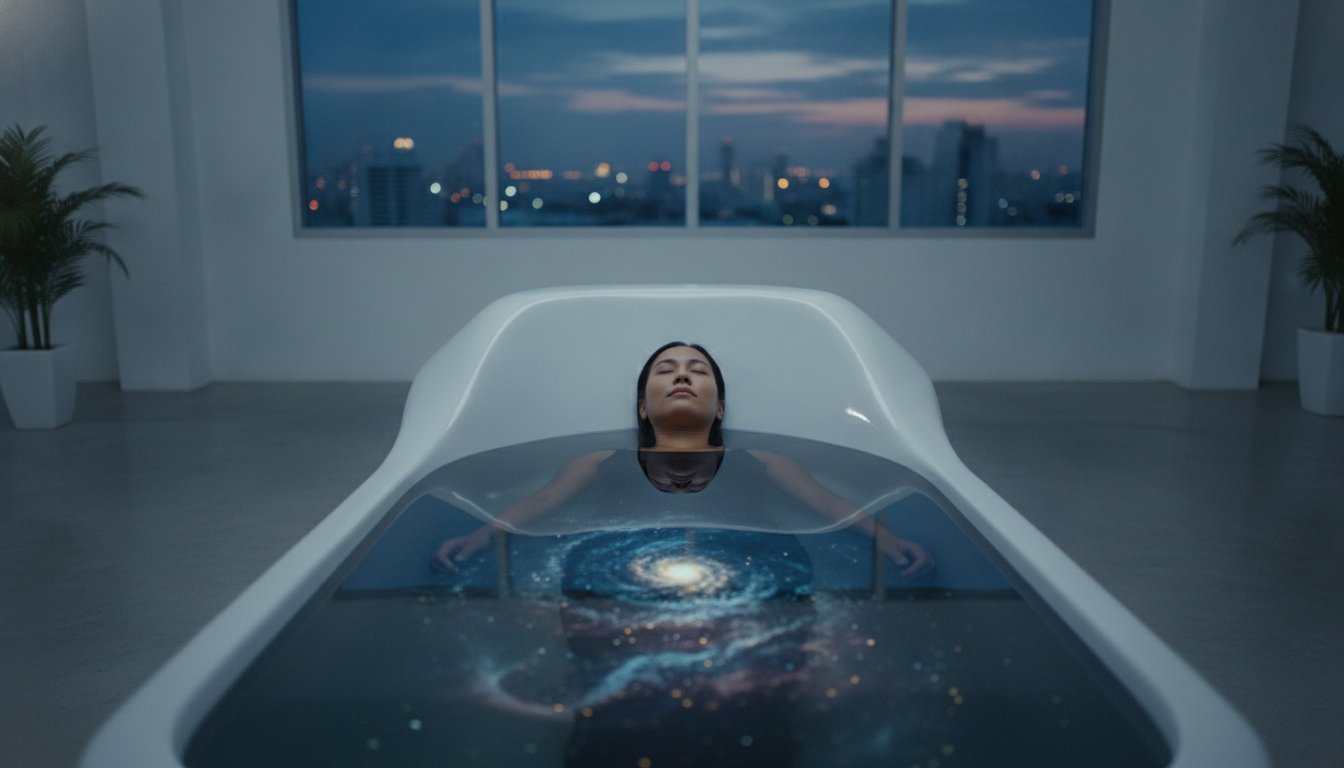
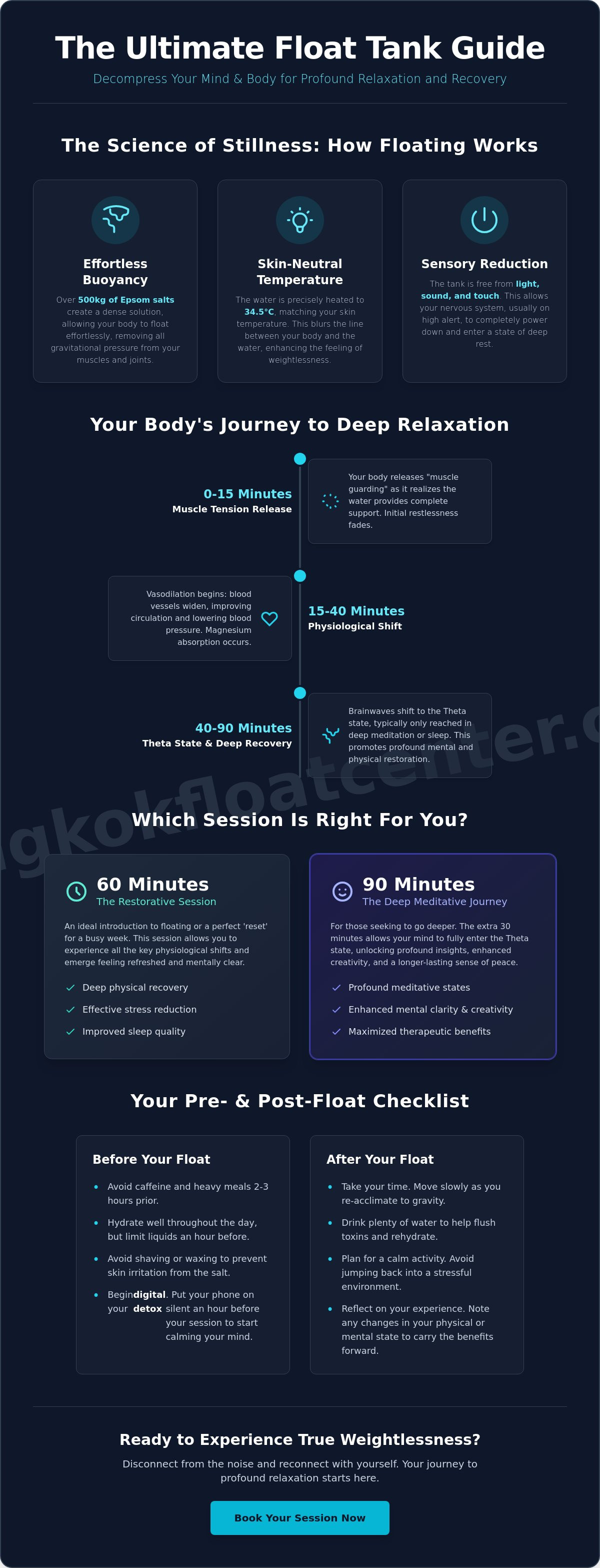
Imagine a space where the boundaries of your physical self begin to blur. This is the essence of a float tank for relaxation, a sanctuary designed to strip away the constant noise of modern existence. Scientifically known as Restricted Environmental Stimulation Therapy (REST), the experience offers a controlled environment where your senses can finally rest. At its heart, the tank is a masterclass in stillness, utilizing over 500kg of high-quality Epsom salts dissolved in water to create a dense, mineral-rich solution. This creates an effortless buoyancy that allows you to float like a cork, regardless of your body type or swimming ability.
If you've ever wondered what is an isolation tank, it's helpful to view it as a tool for physical and mental recalibration. The water is heated to exactly 34.5°C, which is skin-neutral temperature. This precision is vital; when the water matches your skin, the sensation of where your body ends and the water begins simply vanishes. It's a profound feeling of "un-bodying" that serves as the foundation for deep recovery. As a Zen Guide in your wellness journey, we see the tank as more than just equipment. It's a doorway to a state of being that contrasts sharply with the frantic pace of the world outside.
The Core Components of Sensory Reduction
To achieve true peace, we must address the three pillars of sensory input. First is light control. You have the choice to drift in total, velvety darkness or bathe in soft, ambient hues that gently signal to your brain that it's safe to let go. Second is sound isolation. By removing external noise, your auditory cortex, which is usually on high alert for notifications, can finally power down. Finally, there's tactile stillness. In the tank, there are no pressure points or hard surfaces. This absence of touch triggers a deep relaxation response that even the most expensive mattress cannot replicate.
Why Weightlessness is the Ultimate Stress Killer
Gravity is a constant burden on our musculoskeletal system. It requires our muscles and joints to work even when we're sitting or lying down. In a zero-gravity environment, this burden is lifted. Your spine elongates, your joints decompress, and chronic tension begins to melt away. Your brain's response is equally transformative. When your mind no longer needs to process the complex data of gravity and spatial orientation, it redirects that energy toward internal healing and creative thought. Proprioception is the body's ability to perceive its own position and movement in space; within the tank, this sense expands as you lose the typical markers of physical weight. It's here, in this state of suspended animation, that the most profound stress relief occurs.
Your Physical Relaxation Checklist: What Happens to the Body
As you settle into the water, your body begins a journey through several distinct physiological stages. Understanding this timeline helps you move past the initial restlessness and into deep recovery. Using a float tank for relaxation isn't just about a single moment of peace; it's a series of cascading physical shifts that reset your baseline for stress. During the first 15 minutes, you might feel your body twitch or resist the stillness. This is known as muscle guarding. It's the brain's habit of keeping muscles engaged for protection, even when they aren't needed. As you realize the water is doing the work, these muscles finally let go.
Between the 15 and 40 minute mark, the physical transformation deepens. Your blood vessels begin to dilate, a process called vasodilation, which improves circulation and lowers blood pressure. During this time, your skin absorbs magnesium sulfate from the Epsom salts. There's significant evidence for flotation therapy suggesting that this environment effectively reduces the physical markers of stress. By the time you reach the 40 to 60 minute mark, your brainwaves often shift into the Theta state. This is a rhythmic frequency usually only accessible during deep sleep or advanced meditation, allowing for profound mental and physical restoration. If you're ready to feel this weightless relief, you can view the available sessions at bangkokfloatcenter.com to begin your journey.
Decompressing the Spine and Joints
Without the constant pull of gravity, your musculoskeletal system undergoes a natural realignment. The vertebrae in your spine begin to gently space out, creating room for discs to hydrate and nerves to breathe. This environment is particularly effective for:
- The Neck and Shoulders: Releasing the "tech neck" tension caused by digital burnout.
- The Lower Back: Allowing the lumbar spine to flatten and relax without pressure points.
- Joint Recovery: Taking the weight off knees and hips to reduce inflammation.
Professional athletes frequently use these sessions to accelerate recovery between high-intensity training blocks, as the zero-gravity environment flushes lactic acid more efficiently than traditional rest.
The Nervous System Reset
The most vital shift happens within your autonomic nervous system. The tank forces a switch from the Sympathetic system (fight or flight) to the Parasympathetic system (rest and digest). As this transition occurs, your body significantly scales back the production of cortisol and adrenaline. Magnesium acts as a natural calcium blocker to help your muscle cells relax after contracting, which is why it's so effective at preventing and relieving painful muscle cramps. This systemic drop in stress hormones creates a lasting "afterglow" effect, often keeping you in a state of calm for several days after your session ends.
Mental Preparation Checklist: Transitioning to Stillness
Stepping into a float tank for relaxation is a transition that begins long before you touch the water. It's about bridging the gap between the high-speed demands of your daily life and a state of absolute, profound quiet. Most people walk into a wellness center with their minds still racing from the last email they sent or the traffic they just navigated. To get the most from your session, you must give your brain a chance to "downshift" before you ever enter the pod. This mental preparation is the difference between spending forty minutes trying to settle down and dropping into a deep meditative state within the first ten.
Your mental checklist should start at least two hours before your appointment. Consider these steps essential for a successful transition:
- Digital Detox: Put your phone on "Do Not Disturb" two hours prior. Avoid the dopamine loops of social media scrolling, which keep your brain in a state of high-frequency alert.
- Caffeine Awareness: Stop all caffeine intake at least four to six hours before your float. You want your heart rate to be naturally low; a stimulant-fueled mind will struggle to find the "off" switch in the dark.
- Nutritional Balance: Eat a light, simple meal about 90 minutes before. A heavy meal makes your body focus on digestion, while an empty stomach can be a noisy distraction.
- The "First 10 Minutes" Strategy: Once you're in the water, use box breathing. Inhale for four counts, hold for four, exhale for four, and hold for four. This physical anchor tells your nervous system that the transition to stillness has officially begun.
Setting Your Intentions
Before you close the door, decide what you want from the experience. Are you floating for creative problem-solving or for pure, unadulterated rest? For beginners, we recommend the latter. Trying too hard to "achieve" a specific result often creates a mental barrier that prevents relaxation. Instead, use a simple mantra like "I am safe, I am still" during the entry phase. If your "monkey mind" starts racing once the lights go out, don't fight the thoughts. Observe them without judgment, like clouds passing across a dark sky, and gently return your focus to the sensation of the water against your skin.
Overcoming Common Mental Barriers
It's natural to feel a flicker of hesitation about the silence or the enclosed space. Remember the Claustrophobia Checklist: you are always in total control. You can leave the door cracked open, keep the internal light on, or step out at any time. The silence can feel "loud" at first because your brain is searching for the external input it's used to processing. This is simply the sound of your mental static clearing. Just like any other skill, your ability to let go is a "relaxation muscle" that grows stronger with every session you complete.
60 vs. 90 Minutes: Which Session Length is Best for You?
Time is perhaps our most precious resource, and deciding how much of it to dedicate to stillness is a personal choice. When you use a float tank for relaxation, the duration of your session significantly influences the depth of your recovery. While both options provide a sanctuary from the external world, they serve different roles in your wellness journey. Choosing the right length depends on your current stress levels, your experience with sensory reduction, and what you hope to achieve once the lights go out.
The 60-Minute Experience: The Quick Reset
A sixty-minute session is often the perfect introduction for those new to floatation therapy. It provides enough time to move through the initial stages of physical release that we explored earlier, allowing your muscles to unguard and your heart rate to settle. This duration is ideal for a lunch-break reset or a post-work decompression. You'll likely leave with a "cleaner" mental slate and a noticeable reduction in physical tension. It's a manageable window of time that fits easily into a busy schedule while still delivering a profound shift in your mood and energy levels. Most newcomers find this hour is just long enough to get a taste of weightlessness without feeling restless.
The 90-Minute Experience: The Deep Dive
If you're navigating chronic mental fatigue, insomnia, or significant physical injury, the ninety-minute session is where the most transformative work happens. The first forty minutes are often spent just settling the body and mind. In a ninety-minute float, you have an entire extra half-hour to dwell in the "Void" stage. This is the point where you lose the sense of where your skin ends and the water begins. It's here, in this extended state of Theta brainwave activity, that profound mental breakthroughs and deep creative insights occur. The extra time allows your nervous system to reach a level of stillness that a shorter session simply cannot touch. For those seeking a deeper meditative journey, you can book your 90-minute session here to experience this total immersion.
The value of the longer session is also found in its efficiency. At Bangkok Float Center, a 60-minute float is ฿1,700, while a 90-minute float is only ฿1,950. For just ฿250 more, you gain 30 additional minutes of deep rest. This makes the ninety-minute option a much better "price per minute" for your recovery. You'll know you've reached the "sweet spot" for an upgrade when you find yourself wishing for more time just as the wake-up music begins to play. Moving to a longer duration is a natural progression as your "relaxation muscle" grows stronger and your mind becomes more comfortable with the absence of external input.
Maximising Your Relaxation Journey at Bangkok Float Center
The journey through a float tank for relaxation doesn't end the moment the soft wake-up music begins to play. In many ways, the twenty minutes following your session are just as vital as the time spent in the water. This period is known as the "Halcyon Effect," a window of profound calm where your nervous system is still basking in the absence of external stress. To preserve this state of renewal, you must approach your re-entry into the world with intention and gentleness. Rushing back into a high-pressure meeting or a crowded street can prematurely shatter the peace you've just cultivated.
The Importance of Post-Float Integration
Integration is the process of allowing your mind and body to anchor the benefits of the session. We provide a tranquil lounge area specifically designed for this purpose. Instead of reaching for your phone immediately, take ten minutes to sit in silence or record your thoughts in a journal. Your brain has just been through a significant recalibration, and this quiet time helps solidify those new pathways of stillness. Hydration is also essential; while your skin has absorbed beneficial magnesium, your body needs fresh water to help flush out the toxins released during your deep muscle relaxation.
- Showering: Rinse away the mineral-rich salt in our private facilities to leave your skin feeling soft and refreshed.
- Nutrition: Enjoy a light, nourishing snack to ground your energy after your session.
- Slow Re-entry: Avoid scheduling high-stress tasks or digital marathons for at least two hours after you leave our sanctuary.
Shared Serenity and Developing a Practice
While floating is often a solitary journey, we also offer the unique experience of shared serenity. Our Couple 60min Float (฿3,300) and Couple 90min Float (฿3,900) allow you to decompress alongside a partner, creating a shared bond of quietude and physical relief. Whether you choose to float alone or with a loved one, the most profound benefits are found in consistency. Just as you would train a muscle at the gym, you must train your mind to let go. Establishing a weekly practice is the gold standard for long-term mental health, as it prevents the cumulative buildup of chronic stress and digital burnout.
Why Choose Bangkok Float Center?
As sanctuary experts, we focus on providing a professional, expert-led environment that prioritizes your safety and comfort. Our center is designed to be a bold departure from the hectic pace of daily life, offering a sophisticated space where you can explore the depths of your own consciousness without distraction. From the precision-controlled water temperature to our advanced filtration systems, every detail is managed so you can focus entirely on your recovery. Ready for your deep reset? Book your 60 or 90-minute float session today and begin your systematic path to total weightlessness.
Embark on Your Journey to Weightless Serenity
The weight of the world often feels inescapable, but as we've explored, a systematic approach to stillness can change everything. By understanding the science of the zero-gravity environment and preparing your mind for the transition, you transform a simple session into a profound recovery tool. Whether you're seeking to decompress your spine after a long day or quiet a mind exhausted by digital burnout, utilizing a float tank for relaxation provides the ultimate sanctuary from modern life.
We believe that everyone deserves a moment where the external world finally falls silent. With specialised individual and couple sessions available, our team provides the expert guidance needed to ensure your first visit is as seamless as it is restorative. You've learned the checklists and understood the physiological shifts; now it's time to experience that total physical weightlessness for yourself. Book Your Restorative Float Session Today and step into a state of total physical and mental renewal. We look forward to being your partner in peace.
Common Questions About Floatation Therapy
Is a float tank safe for people with claustrophobia?
You are always in total control of your environment and can leave the door open or the lights on at any time. Many guests with claustrophobia find that the pods are much larger than expected, offering a spacious sanctuary rather than an enclosed box. As you begin using the float tank for relaxation, the physical boundaries often seem to vanish, leaving you with a sense of vast, open stillness.
What should I bring to my first float session?
You don't need to bring anything besides your personal hairbrush or skincare products. We provide fresh towels, earplugs, and high-quality toiletries for your pre and post-float showers. If you wear contact lenses, remember to bring a case and solution, as it's best to remove them before entering the water. We handle the logistics so you can arrive and decompress without the burden of extra luggage.
Can I float if I have dyed hair or a new tattoo?
It's best to wait until your hair dye is fully set and the water runs clear in the shower, which typically takes about one week. For new tattoos, your skin must be completely healed, usually requiring four to six weeks. The high concentration of Epsom salts will sting an open wound and can interfere with the healing process or affect the water quality, so patience ensures a better experience for everyone.
How often should I use a float tank for relaxation?
Floating once a week is the gold standard for maintaining a quiet mind and managing the physical toll of digital burnout. However, even a monthly session provides a significant reset for your nervous system and helps you maintain a sense of balance. The benefits are cumulative; your body and mind learn to reach a state of deep stillness more quickly and efficiently with each subsequent visit to the tank.
Is the water in the float tank clean?
The water is exceptionally clean and far more sterile than a typical swimming pool or hot tub. The dense salt concentration naturally prevents the growth of bacteria, and our advanced filtration systems cycle the water multiple times between every guest using UV light and ozone treatments. We maintain strict hygiene protocols to ensure your sanctuary remains pristine, reflecting our professional commitment to your safety and total physical comfort.
Can I float if I am pregnant?
Floating is generally safe and incredibly restorative during pregnancy, particularly in the second and third trimesters. It offers a rare opportunity for total weightlessness, taking the heavy burden of gravity off your spine, hips, and joints. Many mothers report a profound sense of peace and a unique connection with their baby in the quiet. We always recommend consulting with your doctor before your first session to ensure it's right for you.
What happens if I fall asleep in the float tank?
Falling asleep is perfectly safe and is a sign that your body has reached a state of deep trust and relaxation. The water is so buoyant that it's physically impossible to roll over, so you'll stay safely on your back throughout your nap. Many people find that a short sleep in the tank feels as restorative as several hours in a bed. We use gentle music to wake you slowly at the end.
Should I float in the morning or the evening for better sleep?
Evening sessions are ideal if your primary goal is to improve sleep quality or combat chronic insomnia. Floating late in the day helps transition your nervous system into a parasympathetic state, making it much easier to drift off once you return home. However, morning floats are excellent for those who want to start their day with a "clean slate" and a sharpened sense of mental clarity before tackling a busy schedule.