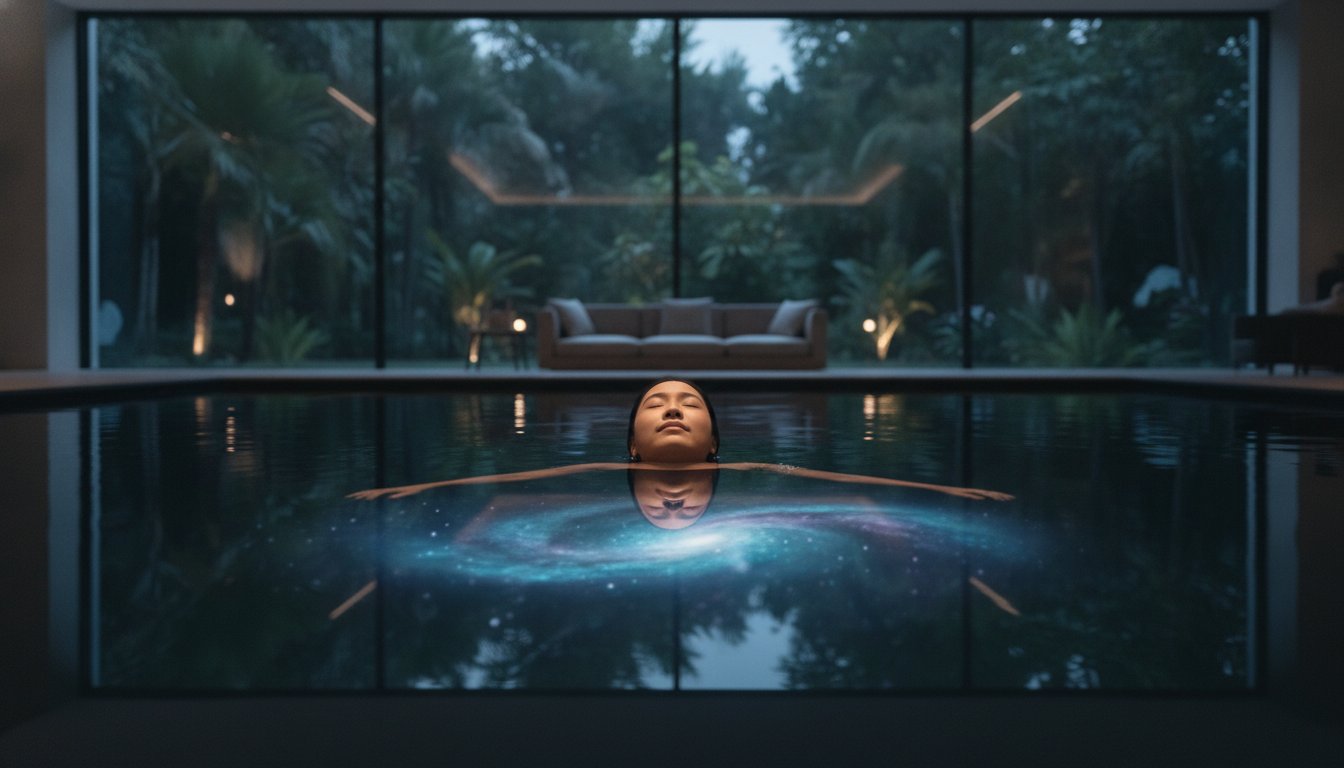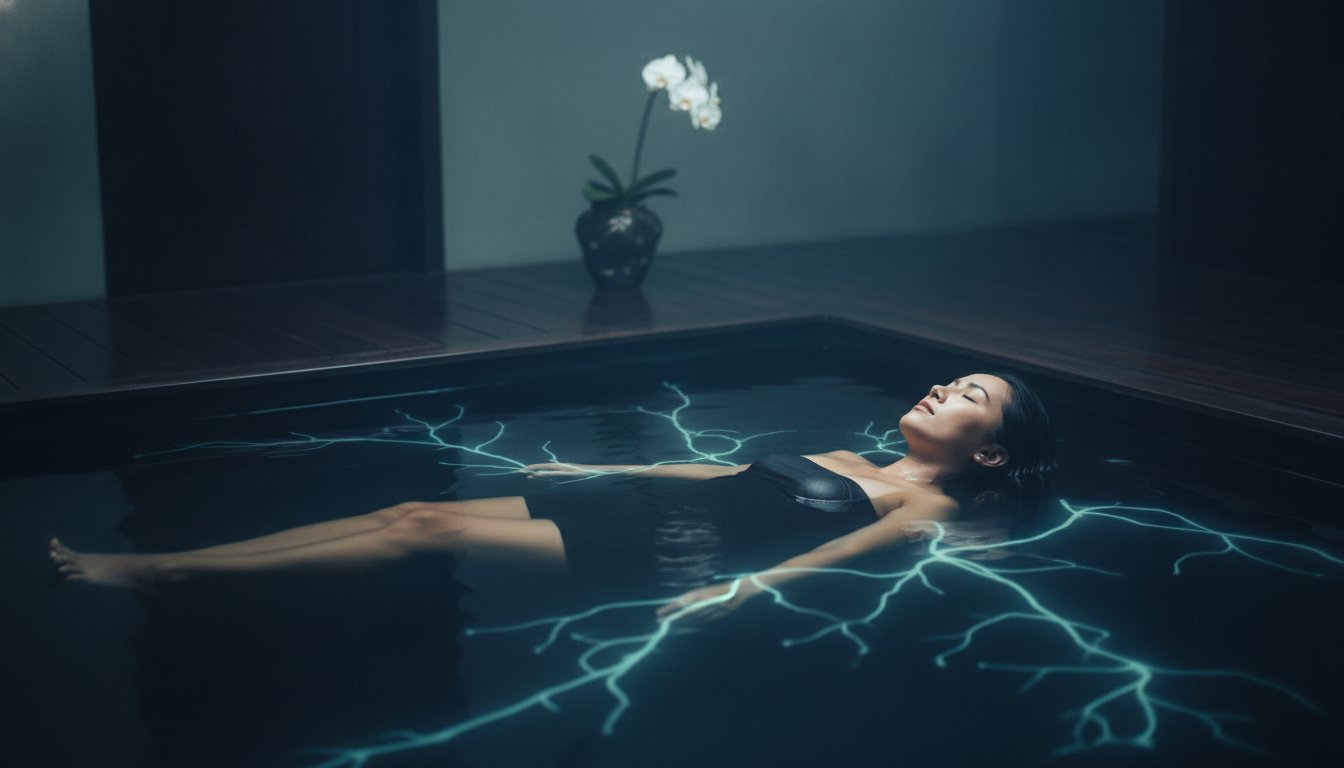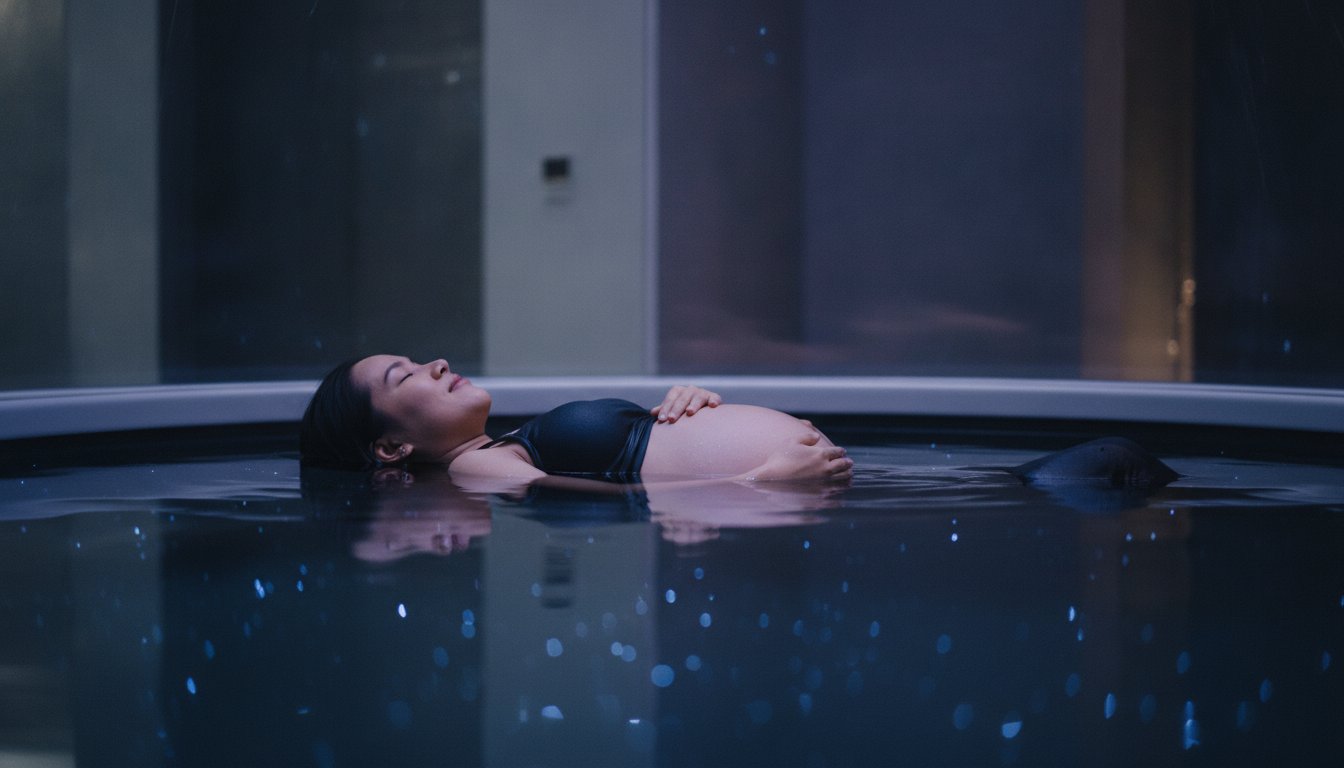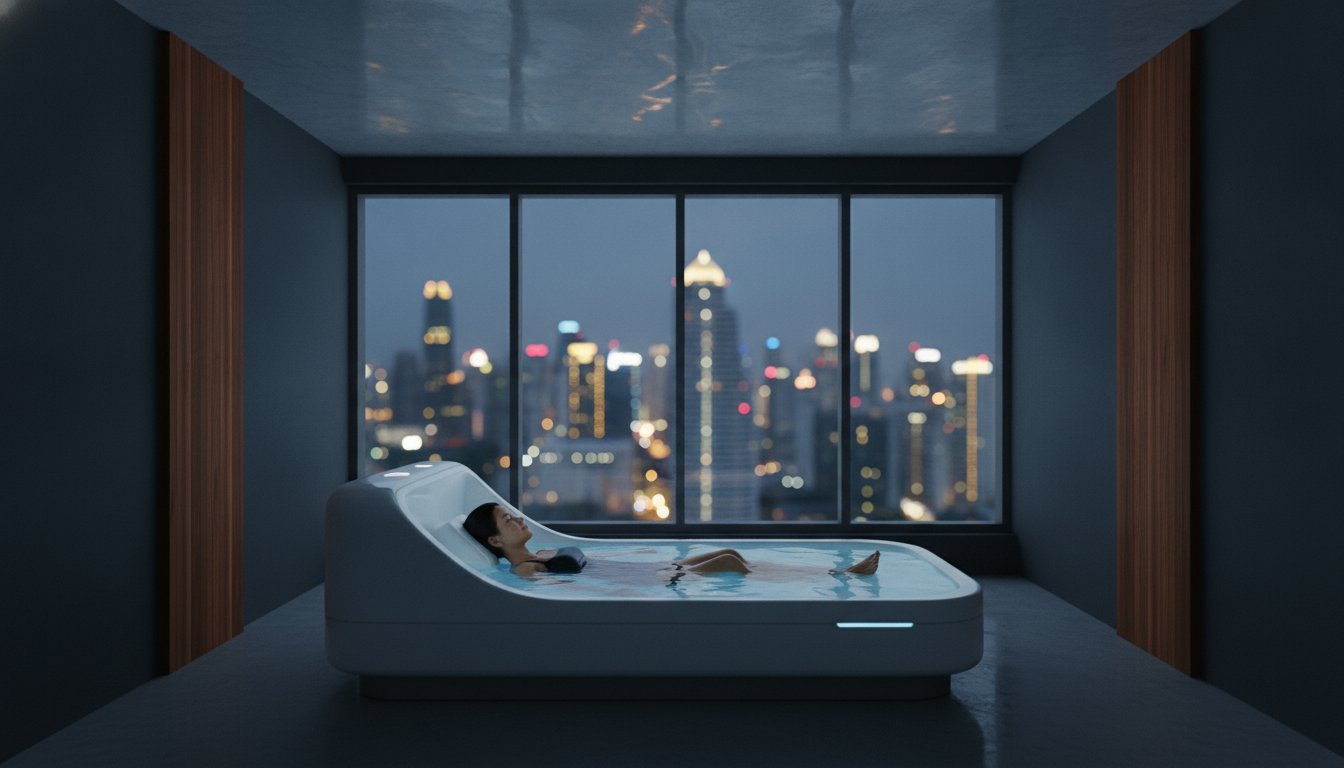
True silence isn't just the absence of noise. It's the absolute zero environment your nervous system needs to finally recalibrate. You're likely familiar with the weight of constant mental chatter and the physical tension that settles in your shoulders after a long day in a bustling city. When you're searching for float therapy for anxiety Bangkok provides a sanctuary where the world's input simply vanishes. It's a place where you can finally trade sensory overwhelm for a profound sense of weightlessness and relief.
We understand that finding a reliable way to quiet the mind is a priority. Scientific evidence confirms that this stillness is more than just a feeling. A 2018 study published in PLOS ONE demonstrated that a single hour in a float tank results in significant reductions in anxiety and muscle tension. This article explores how sensory deprivation systematically calms your internal systems. You'll gain a proven checklist for managing anxiety through stillness, helping you lower cortisol levels and build a repeatable tool for your long term mental health maintenance.
Key Takeaways
- Understand how a zero-gravity environment shuts down the body's overactive stress response to provide immediate neurological relief.
- Learn to identify the physical sensory deprivation tank benefits, including the systematic release of tension in your neck, shoulders, and back.
- Discover how float therapy for anxiety Bangkok serves as a mental circuit breaker to interrupt persistent thought loops and rumination.
- Master the essential pre-float preparation steps, such as managing caffeine intake, to ensure your mind is ready for deep stillness.
- Explore how to use sensory deprivation as a repeatable, long term tool for maintaining a calm and balanced nervous system.
The Neurological Mechanism: How Float Therapy for Anxiety Bangkok Works
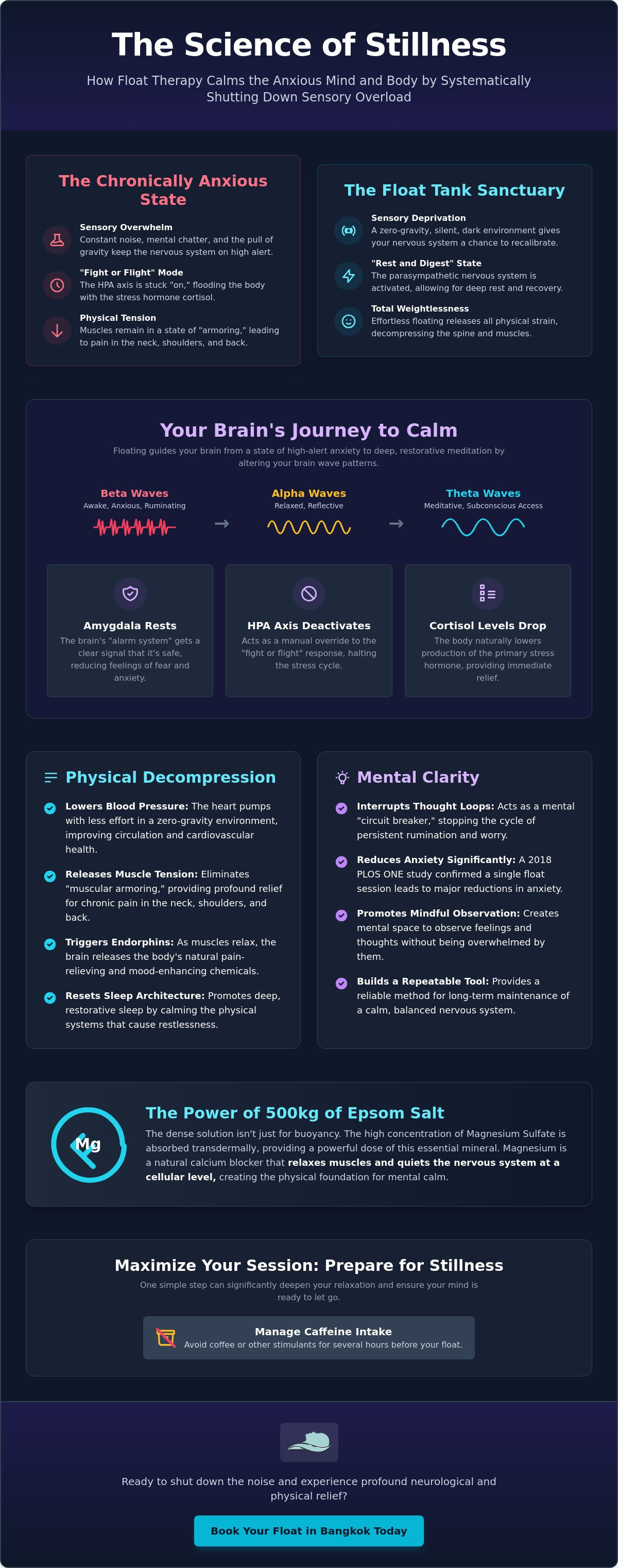
To understand why float therapy for anxiety Bangkok is so effective, we have to look at what happens when the body is truly weightless. Inside the pod, 500kg of Epsom salts are dissolved in skin-temperature water, creating a dense environment where you float effortlessly on the surface. This isn't just about comfort; it's a physiological reset. Historically known as an Isolation tank, the modern float pod removes nearly all of the sensory input your brain usually processes. When the eyes don't have to see and the skin doesn't feel the pull of gravity, the amygdala, the brain's alarm system, finally gets the signal that it's safe to rest.
This stillness directly influences the Hypothalamic-Pituitary-Adrenal (HPA) axis. This is the system responsible for your "fight or flight" response. In a state of chronic anxiety, this axis is often stuck in the "on" position. Floating acts as a manual override, shutting down the alarm and allowing your nervous system to enter a parasympathetic state of "rest and digest." By removing the physical burden of gravity and external stimuli, the body naturally lowers cortisol levels, providing immediate relief from the hormonal drivers of stress.
Shifting from Beta to Theta Brain Waves
Your brain typically operates in Beta waves while you're navigating daily life. These waves are fast and analytical, but they're also where anxious rumination and constant mental chatter live. As you settle into the water, your brain frequency begins to slow down. You move through Alpha and eventually reach the Theta state. This is a deep, meditative frequency usually only accessible in the moments before sleep or during years of dedicated meditation practice. In this state, the prefrontal cortex relaxes its grip on anxious thoughts. It creates a bridge to the subconscious mind, allowing you to observe your feelings without being overwhelmed by them. This access to the subconscious is also a key component of clinical hypnotherapy; for those looking to explore this further, The Hypno Room combines these techniques with CBT to help resolve deep-seated anxiety.
Magnesium Absorption and the Nervous System
The high concentration of Magnesium Sulfate plays a vital role in this process. Magnesium is a natural calcium blocker that helps your muscles relax and your nervous system regulate neurotransmitters. Unlike a standard home bath, the transdermal absorption in a float tank is intense and highly efficient. This influx of magnesium helps quiet the nervous system at a cellular level, providing a physical foundation for the mental clarity you experience. It's a dual approach where the mind finds silence and the body finds the chemical balance it needs to sustain a state of calm long after you leave the water.
The Physical Checklist: Physiological Sensory Deprivation Tank Benefits
Anxiety rarely stays confined to the mind. It manifests as a racing heart, shallow breathing, and a persistent tightness in the chest. When you engage in float therapy for anxiety Bangkok, you're addressing these physical symptoms through a process of systemic decompression. The moment you settle into the salt-saturated water, the external world's pressure vanishes. This shift isn't just a feeling; it's a measurable physiological change. By removing the constant struggle against gravity, your body can finally reallocate its energy toward repair and recovery.
One of the most immediate sensory deprivation tank benefits is the impact on your cardiovascular system. Without the weight of the body to support, your heart doesn't have to pump as forcefully against gravity. This leads to a natural lowering of blood pressure and an increase in peripheral blood flow. Scientific studies, including research conducted at the Laureate Institute for Brain Research, have shown that this environment provides a powerful reprieve for the nervous system, helping to break the cycle of physical stress that fuels anxious thoughts.
Beyond heart health, the tank serves as a catalyst for deep muscular release. Anxiety often causes "muscular armoring," where the body holds onto tension in the neck, shoulders, and lower back as a defensive posture. In the weightless environment of the pod, this tonus simply evaporates. As your muscles let go, the brain triggers a release of endorphins, the body's natural pain relievers and mood enhancers. This internal shift helps reset your sleep architecture, making it easier to fall into the deep, restorative stages of sleep that are often elusive for those with chronic stress. To explore the full spectrum of these effects, you can read more about float tank therapy Bangkok for physical renewal.
Decompressing the Spine and Joints
In the tank, you experience 360-degree support that no mattress or massage table can replicate. This "gravity-free" state allows the intervertebral discs in your spine to decompress and rehydrate. When your physical body is free from pain and pressure, the mind follows suit. This total physical comfort is a vital prerequisite for mental anxiety relief, as it removes the "noise" of bodily discomfort that often keeps the brain in a state of high alert. You might find that a 60-minute session provides more physical relief than a full night of restless sleep.
Vagus Nerve Stimulation
The quiet, buoyant environment of the pod is a direct invitation for the vagus nerve to engage. As the primary component of the parasympathetic nervous system, the vagus nerve controls your body's ability to relax and recover. Floating helps "tone" this nerve, improving your heart rate variability and your future resilience to stress. Regular sessions don't just provide temporary relief; they train your body to return to a state of calm more quickly when faced with the pressures of daily life in a busy city.
The Mental Checklist: Cognitive Relief and Anxiety Management
While the physical release is profound, the mental shift is where many find the most significant transformation. Anxiety often feels like a record skipping on the same distressing thought. When you choose float therapy for anxiety Bangkok, you're stepping into an environment that acts as a cognitive circuit breaker. Without the constant pull of notifications, traffic, or social obligations, the "hamster wheel" of rumination finally slows down. In this void, your thoughts no longer have the external anchors they usually use to stay afloat, allowing them to drift away and leave behind a rare, expansive silence.
This environment fosters a unique "observer" perspective. Instead of being consumed by an anxious feeling, you begin to watch it from a distance. Clinical research supports this shift in awareness. Ongoing studies, such as the Floatation-REST for Anxiety and Depression trial, investigate how this specific lack of stimuli allows the brain to exit its default mode of worry. By developing this mindfulness in the tank, you're training your mind to regulate emotions more effectively. You learn to re-center yourself, finding a quiet core that remains accessible even after you return to the high-intensity stress of the city.
Breaking the Feedback Loop of Panic
Panic often stems from a "body-scaring-the-mind" loop. You feel a slight tightness in your chest, your mind interprets it as danger, and your body responds with more tension. The tank breaks this cycle by providing a baseline of total physical safety. Because you're in complete control of the light, the lid, and the duration, your brain can't easily trigger a threat response. Floating provides a safe, contained space for the mind to process trauma without the overwhelming interference of external sensory triggers. This sense of agency is vital for anyone who feels overwhelmed by the lack of control in their daily life.
Post-Float Afterglow and Mental Clarity
The benefits of a session don't end when you dry off. Many floaters describe a "post-float afterglow," a period of heightened mental clarity and emotional resilience that can last for several days. This isn't just a temporary feeling of being relaxed; it's a recalibration of your baseline stress levels. Integrating the insights gained during your float into your daily routine becomes much easier when your nervous system isn't constantly on high alert. To learn more about what to expect during your first visit, explore our sensory deprivation tank Bangkok experience guide. This clarity allows you to approach problems with creative visualization rather than the frantic pressure of "doing," leading to more sustainable mental health maintenance.
Maximizing Your Session: A Preparation Guide for Anxious Minds
Approaching your first session can feel like a challenge when your mind is already prone to worry. It's common to feel a sense of performance anxiety, as if you need to "float correctly" to see results. We encourage you to reframe this. Floating is a skill, not a test. Your first time is simply a learning process where your body and mind get acquainted with the sensation of weightlessness. When preparing for float therapy for anxiety Bangkok, the internal state you bring into the sanctuary is just as important as the facility itself. By following a few intentional steps, you can ensure your nervous system is primed for the deep rest it deserves.
Dietary choices play a significant role in your experience. We strongly recommend avoiding caffeine for at least four to six hours before your appointment. Stimulants keep your heart rate elevated and your mind racing, which can make the initial transition into the "float state" feel more difficult. Instead, opt for a light meal and stay hydrated. Once you are in the water, use the power of your breath to anchor yourself. Simple techniques, like inhaling for four counts and exhaling for six, can help bridge the gap between the frantic pace of the city and the stillness of the tank. You can choose between a 60-minute or a 90-minute reset, depending on how much time you feel you need to fully let go.
Addressing Common Anxiety Objections
Many people hesitate to try sensory deprivation because of claustrophobia or a fear of losing control. It's helpful to remember that you are in total command of the environment. The pods are surprisingly spacious, and you can leave the light on or the lid open until you feel comfortable. You aren't locked in; you can step out at any moment. Others worry about boredom, but we invite you to reframe this lack of stimuli. This isn't empty time. It's a rare gift of total freedom from the demands of the external world, allowing you to simply exist without any expectation of "doing."
The First 20 Minutes: Settling into Stillness
The "monkey mind" often becomes most active during the first twenty minutes of a float. This is normal. As the external noise fades, your internal dialogue might seem louder at first. Don't fight these thoughts. Simply acknowledge them and return your focus to the physical sensation of the water supporting your weight. You might need to make small physical adjustments, like moving your arms from your sides to above your head, to find your perfect center of comfort. Eventually, you'll hit a transition point where the boundaries of your body seem to vanish. This is the moment your system finally accepts the stillness. To begin your journey toward this relief, you can book your 60-minute float session and experience the release firsthand.
Finding Relief at Bangkok Float Center
Stepping through our doors is a transition from the chaotic, high-speed energy of the city into a world of profound quiet. We've designed the Bangkok Float Center to be more than just a wellness facility; it's a dedicated sanctuary for those who need a genuine mental and physical reset. For anyone seeking float therapy for anxiety Bangkok provides a unique refuge here, where the noise of daily life is replaced by a sense of weightless serenity. Every detail of our environment is curated to support your journey from a state of overwhelm to one of deep, restorative peace.
We understand that the idea of sensory deprivation can be intimidating if you're already feeling anxious. That's why our team acts as your "Zen Guides," providing professional, gentle guidance from the moment you arrive. We take the time to walk you through the process, ensuring you feel safe, comfortable, and in total control of your experience. Our private suites are designed with the highest standards of hygiene and safety in mind, offering a space of total solitude where you can finally let down your guard. Whether you prefer the solitary focus of an individual session or the shared quiet of a couple's float, we provide the environment you need to reclaim your mental clarity.
Our Professional Float Environment
Our center features high-specification tanks and pods engineered to provide the most effective sensory deprivation experience possible. The water is saturated with 500kg of high-grade Epsom salts, ensuring effortless buoyancy that allows every muscle in your body to release. For those new to the practice, we often recommend starting with our 60min Float for only ฿1,700. This duration is long enough for the nervous system to settle into the Theta state without feeling overwhelming for a beginner. To understand why this specific timeframe is so effective, you can read more about why a 60-minute float session is the perfect mental reset.
Taking the First Step Toward a Calmer Mind
Booking a session is a commitment to your own well-being. It's an invitation to experience a level of stillness that is nearly impossible to find in the modern world. As you prepare for your visit, remember that you're not just lying in water; you're giving your brain the rare gift of "absolute zero" stimulation. This weightlessness is a powerful tool for mental freedom, helping you lower cortisol and break the cycle of chronic stress. When you're ready to trade the mental chatter for a sense of cosmic balance, we're here to guide you. Book your restorative float session today and discover the science of true stillness.
Step Into the Stillness
You've seen how sensory deprivation acts as a powerful neurological circuit breaker, shifting your brain from the frantic pace of Beta waves into the restorative depths of the Theta state. This isn't just about feeling relaxed; it's about a systematic reduction in cortisol and a physical release that resets your nervous system. By removing the burden of gravity and external noise, you give your mind the "absolute zero" environment it needs to finally recalibrate and find balance.
When you're ready to experience float therapy for anxiety Bangkok, our sanctuary is here to welcome you. Established since 2018, we provide specialized zero-gravity tanks that offer a level of stillness you won't find anywhere else in the city. With both individual and couple sessions available, you can tailor your journey toward mental freedom to your own comfort level. The weight of the world doesn't have to follow you into the water, and the relief you find here stays with you long after you leave.
Experience Weightless Relief – Book Your Float Session Now
Your path to a calmer, more resilient mind is just one float away. We look forward to being your partner in rest and guiding you toward the profound peace you deserve.
Common Questions About Floating and Anxiety
Is float therapy safe for people with clinical anxiety?
Yes, float therapy is generally safe and often highly beneficial for those managing clinical anxiety. A 2024 randomized controlled trial found that the experience was both enjoyable and safe for individuals with high anxiety levels, reporting adherence rates between 85% and 89%. While the environment is supportive, we always recommend that individuals with specific medical conditions, such as epilepsy or extremely low blood pressure, consult their physician before starting a new wellness practice.
Will I feel claustrophobic inside a sensory deprivation tank?
Most guests find that they don't feel claustrophobic once they settle into the water. The pods are designed to be spacious, and the lack of light and sound often creates a sensation of vast, endless space rather than confinement. You're never locked in; you have total control over the lid and can choose to leave it open until your mind feels completely at ease with the environment.
How many sessions do I need to see benefits for my stress levels?
You'll likely feel a significant reduction in muscle tension and a "mental reset" after just one 60-minute session. For sustainable anxiety management, many people find that floating once or twice a month helps maintain a lower baseline of cortisol. Regular practice trains your nervous system to return to a state of calm more quickly when you're navigating the pressures of daily life.
Can I leave the light on or the pod door open if I feel anxious?
Absolutely, you're in complete command of your environment at all times. Every pod is equipped with an internal light switch that you can toggle whenever you wish. If leaving the door slightly ajar helps you feel more secure, you're welcome to do so. Our goal is to provide a sanctuary where you feel safe enough to eventually embrace the full stillness.
What happens if I fall asleep during my float session?
Falling asleep is a common and very safe occurrence during a float. Because of the high salt concentration, your body remains effortlessly buoyant, making it physically impossible to sink or roll over. Many guests find that 20 minutes of sleep in the tank feels as restorative as several hours of traditional rest, as the body isn't fighting gravity or pressure points.
Do I need to bring anything specific for my first float?
We provide almost everything you need, including fresh towels, earplugs, and premium toiletries for your pre- and post-float showers. Most people prefer to float without clothing to eliminate any tactile distractions, but you're welcome to bring a swimsuit if it makes you feel more comfortable. If you wear contact lenses, we recommend bringing a case and solution to remove them before your session.
How does floating compare to traditional meditation for anxiety?
Floating is often described as "meditation on training wheels" because it removes the external stimuli that usually make sitting in silence so difficult. In the tank, you don't have to fight against back pain or room noise. This allows your brain to reach the meditative Theta state much faster than traditional methods, making it an ideal tool for those who find standard meditation frustrating.
Can couples float together to reduce stress?
Yes, we offer dedicated sessions for partners who wish to experience deep relaxation together. Sharing this journey can be a powerful way to bond and lower collective stress levels. If you're looking for float therapy for anxiety Bangkok, our 60-minute and 90-minute couple sessions provide a unique, shared sanctuary where both of you can find weightless relief from the outside world.