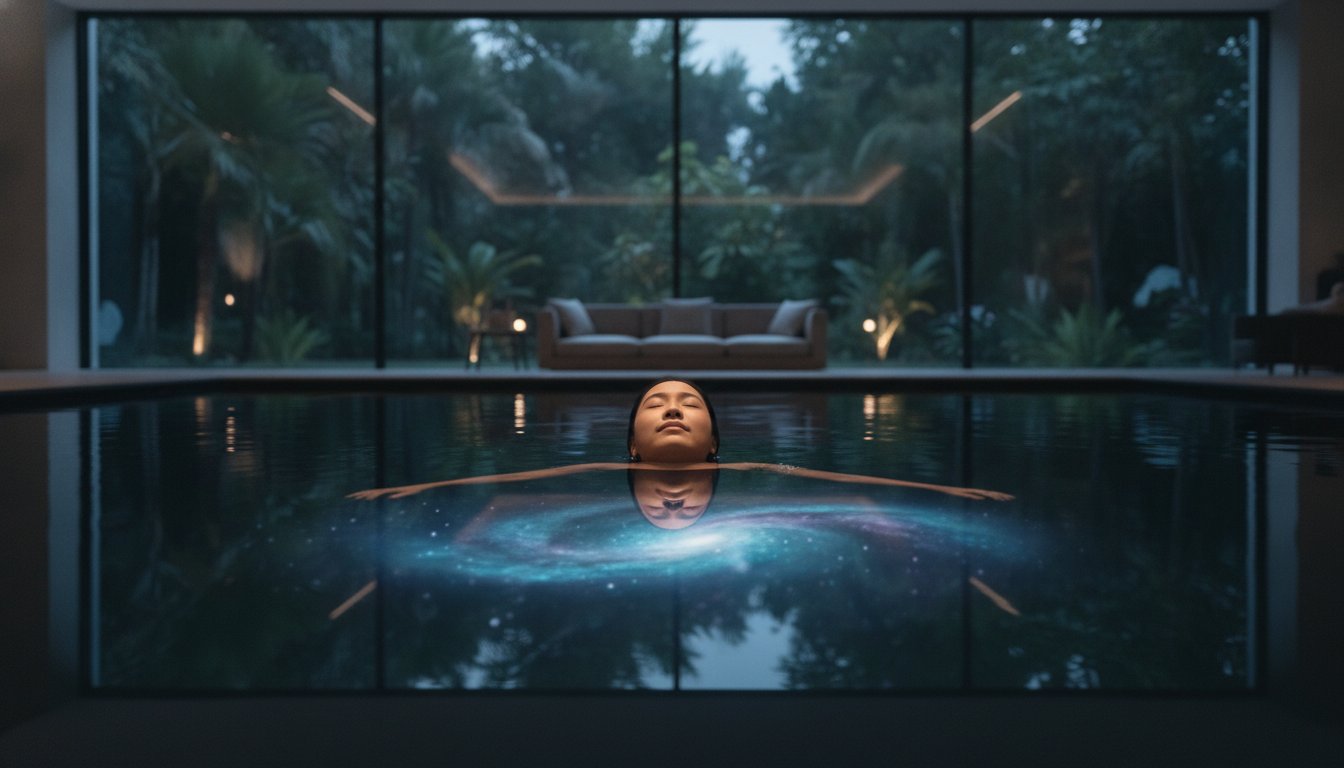
What if the most effective way to reclaim your focus wasn't adding another productivity habit to your routine, but subtracting the entire world for sixty minutes? We live in an era of constant connection, where the brain is forced to process an endless stream of data, leading to a state of chronic, always-on tension. Many high-performers are now turning to sensory deprivation for stress as a way to escape this noise. You likely recognize the signs: that persistent ache in your neck, the mental fog that clouds your best ideas, and that frustrating inability to quiet your mind when your head finally hits the pillow.
It's exhausting to feel like you're constantly running on a treadmill that never stops. This guide explores the science-backed mechanism behind sensory deprivation and how float therapy provides a physiological hard reset for the modern mind. You'll discover how stepping into a state of total weightlessness can offload eighty percent of your brain's processing burden. We'll look at how this unique environment lowers cortisol, dissolves physical tension, and provides the immediate mental clarity you need to navigate life with a sense of renewed balance and serenity.
Key Takeaways
- Understand how Restricted Environmental Stimulation Therapy (REST) provides a physiological "hard reset" by silencing the noise of the outside world.
- Discover how the state of weightlessness shifts your nervous system from "fight or flight" into deep recovery, naturally lowering cortisol and adrenaline levels.
- Learn why sensory deprivation for stress is uniquely effective for those who struggle with traditional meditation, as the tank facilitates stillness without the mental effort.
- Explore the simple, restorative rituals involved in your first session that help dissolve physical tension in your neck and shoulders.
- Gain insights into how a dedicated sanctuary environment can clear mental fog and provide a reliable tool for long-term stress management.
Understanding Sensory Deprivation: The Ultimate Hard Reset for Stress
Imagine your mind as a high-performance computer that hasn't been shut down in months. It's cluttered with background apps, endless notifications, and built-up heat. This is the reality for many of us today. Sensory deprivation is the deliberate reduction of external stimuli, including sight, light, sound, and the constant pull of gravity. In clinical circles, this practice is known as Restricted Environmental Stimulation Therapy, or REST. To understand the broader context, one might ask What is Sensory Deprivation? and how it evolved into a modern wellness staple. Utilizing sensory deprivation for stress allows you to bypass the noise of daily life and enter a state of profound stillness.
When you stop the flood of sensory data, your brain undergoes a process called "mental offloading." It no longer needs to calculate your position in space, adjust for temperature changes, or filter out the hum of the city. This is the ultimate hard reset. It's far more than just "relaxing"; it's a physiological shift where your internal resources are redirected from processing the external world to repairing your internal one. It's a rare moment of pure, unburdened existence that provides the clarity needed to navigate a hectic life.
The Burden of Constant Input
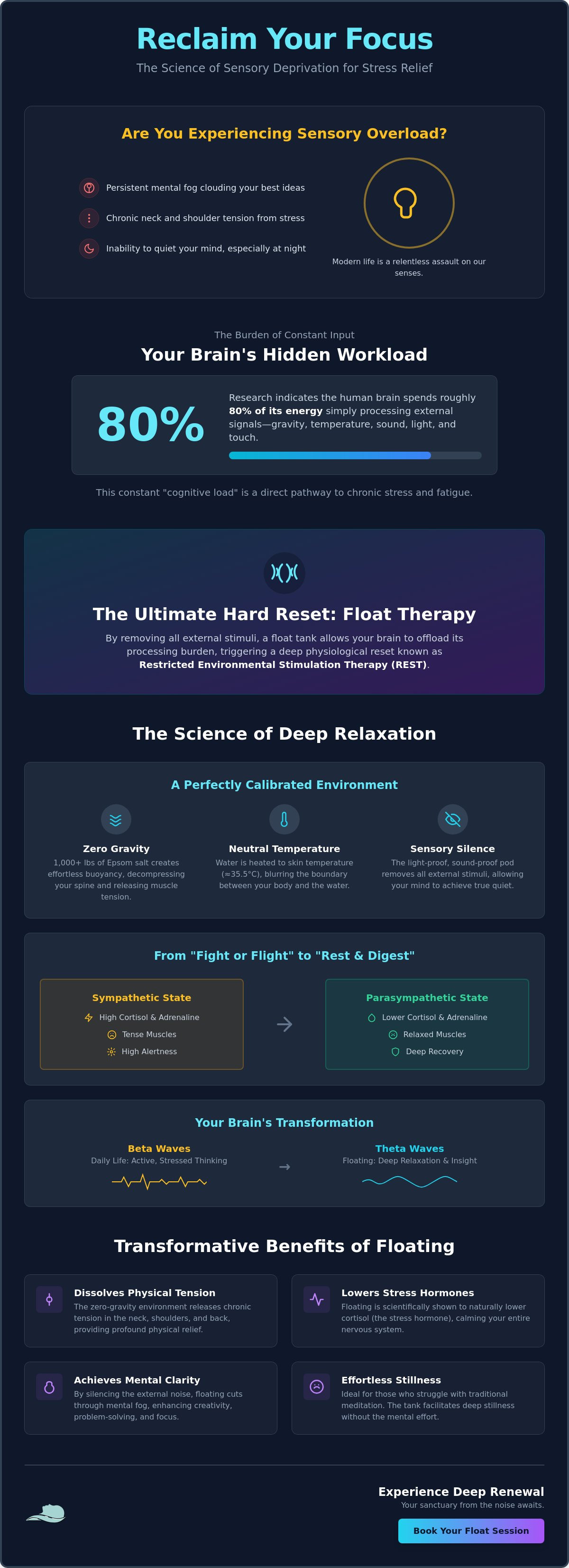
Modern life is a relentless assault on our senses. Research indicates that the human brain spends roughly 80% of its energy simply processing external signals. This constant "cognitive load" keeps us in a state of high alert, which is a direct pathway to chronic stress and mental fatigue. When you finally go offline in a float tank, the relief is visceral. Your mind stops scanning for threats or updates, allowing your nervous system to settle into a quietude that's nearly impossible to find in a world of digital overstimulation. It's the only place where the world truly stops asking things of you.
The Role of the Float Tank Environment
To achieve this state, the environment must be precisely calibrated to mimic a void. You float in water warmed exactly to skin temperature, which makes the boundary between your body and the water eventually disappear. Over 1,000 pounds of Epsom salt are dissolved into the solution, creating a dense, supportive environment that makes sinking impossible. This allows you to experience true weightlessness, which is essential for physical stress release. The buoyancy effect acts as a powerful catalyst for spinal decompression, allowing every muscle and joint to let go of the tension it's been holding. In this state of suspension, your body can finally begin the work of deep, structural recovery.
The Science of Weightlessness: How Floating Calms the Nervous System
Gravity is a silent, relentless tax on your body. From the moment you wake up, your nervous system is working overtime to maintain posture and balance, keeping you in a state of low-level alertness. When you step into the tank, you're effectively silencing the sympathetic nervous system, the engine behind your "fight or flight" response. This transition into the parasympathetic state, or "rest and digest," is where true recovery begins. By utilizing sensory deprivation for stress, you provide your biology with the rare opportunity to stop defending itself against the environment and start the process of deep, systemic repair.
As your body rests in the dense salt solution, it begins to absorb magnesium from the Epsom salts. This mineral is a natural muscle relaxant that helps regulate over 300 biochemical reactions, including those that govern stress and sleep. While your muscles lose their rigid grip, your brain undergoes a fascinating transformation. The brain's "body-map," which usually works overtime to track your limbs and posture, finally goes quiet. This physical weightlessness leads directly to mental liberation; when the brain stops processing the body, it's free to explore deeper states of consciousness.
The Shift from Beta to Theta Brainwaves
While there are many Health Benefits of Floating, the most profound changes happen within your brainwaves. In our daily lives, we operate mostly in Beta waves, a state of active, often stressed, logical thinking. Floating allows the brain to bypass the relaxed Alpha state and descend directly into Theta. Usually, we only experience Theta waves in the fleeting moments before we fall asleep or during years of dedicated meditation practice. In the tank, you can sustain this Theta state while remaining fully conscious. This "twilight state" is a powerhouse for creativity, vivid imagery, and integrative problem-solving, allowing you to process complex emotions without the interference of external noise.
Cortisol Regulation and the HPA Axis
The core of the stress response lies in the Hypothalamic-Pituitary-Adrenal (HPA) axis, a complex feedback loop that manages cortisol and adrenaline production. Chronic stress keeps this loop stuck in the "on" position, leading to burnout and physical tension. The total absence of stimuli in the tank effectively "mutes" these stress signals, signaling the HPA axis to stand down. Research suggests that a single 60-minute session can significantly drop cortisol levels, providing a physiological reset that traditional relaxation methods can't match. In fact, 60 minutes of floating can mimic the restorative effects of several hours of deep sleep. If you're ready to experience this neurological shift, you can find your own sanctuary at Bangkok Float Center and discover how weightlessness changes your perspective.
Breaking the Stress Cycle: Why Floating Outperforms Traditional Relaxation
Most of us have tried to relax by sitting in a quiet room, only to find that our thoughts become louder the moment the music stops. This is the paradox of traditional relaxation; it often requires a significant amount of active effort. Sensory deprivation for stress is different because it offers a state of forced stillness. You don't have to "try" to clear your mind. The tank creates an environment where your brain has nothing left to process, allowing the silence to do the heavy lifting for you. In this sanctuary, you finally have total control. There are no buzzing phones, no people to answer to, and no intrusive light to keep your senses on high alert.
This total environmental control leads to what many call the "Post-Float Glow." Unlike a quick nap or a short walk, the stress-reduction effects of a single session typically linger for several days. You'll notice a newfound patience in traffic, a clearer perspective during difficult meetings, and a physical lightness that stays with you long after you've left the water. It's not just a temporary escape; it's a recalibration of your baseline stress levels.
Floating vs. Traditional Meditation: The Shortcut to Zen
Traditional meditation is a skill that can take years of daily practice to master. For many beginners, the frustration of a wandering mind actually creates more tension. Floating provides a "sensory bypass" that delivers immediate results. By removing the body's signals and environmental noise, your mind clears automatically. It's a shortcut to deep states of consciousness that usually require decades of discipline. For a deeper look at how this specifically targets the mind, explore The Science of Stillness: A Checklist of Sensory Deprivation Tank Benefits for Anxiety.
Why Weightlessness is the Key to Mental Offloading
Gravity is a constant, invisible stressor that your brain must manage every second of the day. When you're suspended in a float tank, you experience the unique sensation of losing the boundaries of your body. You can't tell where your skin ends and the water begins. This physical release signals to the brain that it's safe to let go of its protective "body-map." This profound sense of safety and calm allows for true mental offloading, where the weight of your responsibilities seems to dissolve alongside the physical weight of your limbs.
What to Expect: Navigating Your First Stress-Relief Float
The journey into stillness begins long before you touch the water. Preparing for your first experience with sensory deprivation for stress is a process of unlearning the need to be constantly busy. It's a transition from the high-velocity noise of the city to a quiet, internal sanctuary where time feels different. By understanding the phases of a float, you can move through the experience with confidence and a sense of wonder. Your first session is not just a treatment; it's a gentle reintroduction to yourself.
- Step 1: The Pre-Float Ritual. Begin with a warm shower to wash away the day and signal to your body that it's time to rest. This is the perfect moment to set a simple intention for your session, such as "I am letting go of tension" or "I am seeking clarity."
- Step 2: Entering the Tank. As you step into the water, you'll find a position that feels natural. Some prefer their arms at their sides, while others find more relief with hands behind the head to further decompress the neck.
- Step 3: The Acclimatization Phase. The first 15 to 20 minutes are often spent settling the mind. It's normal for thoughts to race at first, but as you trust the buoyancy of the water, your brain begins to realize there are no external threats to monitor.
- Step 4: The Deep Float. Once the mind settles, you reach a state of effortless stillness. This is where the neurological rewiring discussed earlier takes place, and physical time seems to dissolve.
- Step 5: The Gentle Exit. A soft signal will guide you back to the present. You'll emerge with a "Post-Float Glow," characterized by a profound sense of calm and mental sharpness that can last for days.
Preparing Your Mind for Stillness
To maximize the shift into a restorative state, avoid caffeine for at least four hours before your session. A racing heart makes it harder for the nervous system to enter the parasympathetic "rest and digest" mode. If you feel restless during the initial minutes, try simple box breathing, inhale for four seconds, hold for four, and exhale for four. If you have concerns about claustrophobia, remember that you are always in total control. You can leave the door open or keep the internal light on until you feel comfortable enough to embrace the darkness.
Choosing the Right Duration for Stress Relief
For many, a 60-minute float session is the ideal entry point to clear mental fog. However, if you are dealing with deep, chronic stress, a 90-minute deep dive offers more time to move past the initial "monkey mind" phase and into the restorative Theta state. Regular sessions, perhaps once or twice a month, help compound these benefits and build long-term resilience. If you're ready to begin your journey toward a quieter mind, you can book your first float session and experience the relief of total weightlessness today.
Experience Deep Renewal at Bangkok Float Center
Transitioning from the theoretical science of the nervous system to the physical sensation of relief is a profound journey. At Bangkok Float Center, we've created a dedicated sanctuary where sensory deprivation for stress becomes a tangible reality. The moment you step through our doors, the frantic energy of the city begins to fade, replaced by a restorative atmosphere designed to guide you toward stillness. We aren't just providing a service; we're offering a partnership in your mental and physical well-being, acting as a Zen guide to help you navigate the transition from a state of "always on" to total weightless serenity.
Our center is built on the foundation of human comfort and modern sophistication. We understand that the modern mind is often overstimulated and weary. Because of this, every element of our environment, from the lighting to the gentle guidance of our staff, is calibrated to facilitate a mental escape. Whether you're seeking to dissolve physical tension in your shoulders or clear the mental fog of decision fatigue, our sanctuary provides the space you need to breathe and recover.
A Sanctuary Designed for Recovery
Recovery requires more than just a quiet room; it requires a specialized environment where external signals are effectively muted. We focus on high-quality flotation tanks that allow for a complete "hard reset" of your internal systems. Our professional team is here to ensure your journey is seamless, providing clear instructions so you feel safe and supported throughout the process. For those who want to dive deeper into what makes our facility unique, you can explore The Ultimate Guide to the Sensory Deprivation Tank Bangkok Experience. This guide offers a comprehensive look at how we've tailored every detail to maximize your renewal.
Start Your Journey to Weightless Calm
Reclaiming your mental space shouldn't feel like another task on your to-do list. We've made the process of finding peace as effortless as the float itself. We offer a variety of options to suit your personal needs, including individual 60-minute and 90-minute sessions that allow for deep, solitary reflection. If you prefer to share the experience of relaxation with a partner, our couple sessions provide a unique way to reconnect in a state of shared calm.
The immediate relief provided by zero-gravity therapy is waiting for you. It's time to stop the cycle of chronic tension and give your nervous system the rest it deserves. You can choose the session that fits your schedule and begin your transformation today:
- 60min Float – Only ฿1,700
- 90min Float – Only ฿1,950
- Couple 60min Float – Only ฿3,300
- Couple 90min Float – Only ฿3,900
Take the first step toward a more balanced, resilient version of yourself. Your journey to deep renewal is just a few clicks away. We invite you to book your session at Bangkok Float Center and discover the profound power of weightless silence.
Embrace the Stillness and Reclaim Your Balance
We've explored how the simple act of floating allows the brain to offload its massive processing burden, triggering a profound shift in your nervous system. By removing the weight of gravity and the constant noise of the outside world, you move from a state of chronic alert into the restorative Theta brainwave state. This transition is the key to breaking the persistent cycle of tension and mental fog that often defines our modern lives. It's a rare opportunity to let your body and mind exist without the constant demand of external data, allowing your internal systems to focus entirely on repair.
Utilizing sensory deprivation for stress isn't just about a fleeting moment of quiet; it's a scientifically backed tool for long-term emotional and physical resilience. At Bangkok Float Center, our professional zero-gravity tanks provide a specialized focus on deep mental and physical recovery. Whether you choose an individual session or one of our couple sessions, you're investing in a physiological hard reset that continues to benefit you long after you leave the water. You'll find that the mental clarity and physical lightness you gain in the tank follows you back into your daily routine, making challenges easier to navigate.
You deserve a sanctuary where the world stops asking for your attention and your nervous system can finally find its way back to balance. Book your restorative 60-minute float session today and begin your journey toward weightless serenity. We look forward to welcoming you to a state of peace you didn't know was possible.
Frequently Asked Questions
Is sensory deprivation safe for people with high stress or anxiety?
Yes, it's highly safe and often recommended as a complementary tool for managing these conditions. The environment is designed to lower your body's physiological stress response by removing external triggers. Many people find the predictability and control of the tank helps them feel secure while they process internal tension and find relief from mental fog.
How long do the stress-relief effects of a float session last?
Most visitors experience a "Post-Float Glow" that lasts for several days after a single session. This lingering sense of calm is due to the significant drop in cortisol levels achieved during your time in the water. Regular sessions, such as once every two weeks, can help maintain a lower baseline of stress and better emotional balance over the long term.
Can I really clear my mind if I’ve never meditated before?
Absolutely, because the tank does the heavy lifting for you by removing the sensory input that usually distracts a beginner. Unlike traditional meditation which requires active focus, sensory deprivation for stress works through passive subtraction. You'll find that your mind quietens naturally once the brain stops receiving signals from your skin, ears, and eyes, leading to effortless stillness.
Will I feel claustrophobic inside a sensory deprivation tank?
It's unlikely, as you remain in total control of the environment at all times. The tanks are much larger than most people imagine, and you can choose to leave the door open or keep the internal light on. Most guests find that once they begin to float, the sensation of having no physical boundaries makes the space feel infinite rather than enclosed or small.
What should I bring to my first stress-relief float session?
You don't need to bring anything besides yourself and perhaps a hairbrush for after your session. We provide everything else, including fresh towels, earplugs, and high-quality toiletries. Since floating is best experienced without clothing to remove the sensation of touch, you don't even need to bring a swimsuit, though you're welcome to wear one if it makes you feel more comfortable.
How often should I float to manage chronic work stress?
Consistency is key, and many find that floating once or twice a month provides a reliable rhythm for managing chronic pressure. Just as exercise builds physical strength, regular sensory deprivation for stress builds neurological resilience. For those in high-pressure roles, weekly sessions can provide a deeper "hard reset" to prevent burnout and maintain peak mental performance throughout the month.
Can I float if I am pregnant and feeling stressed?
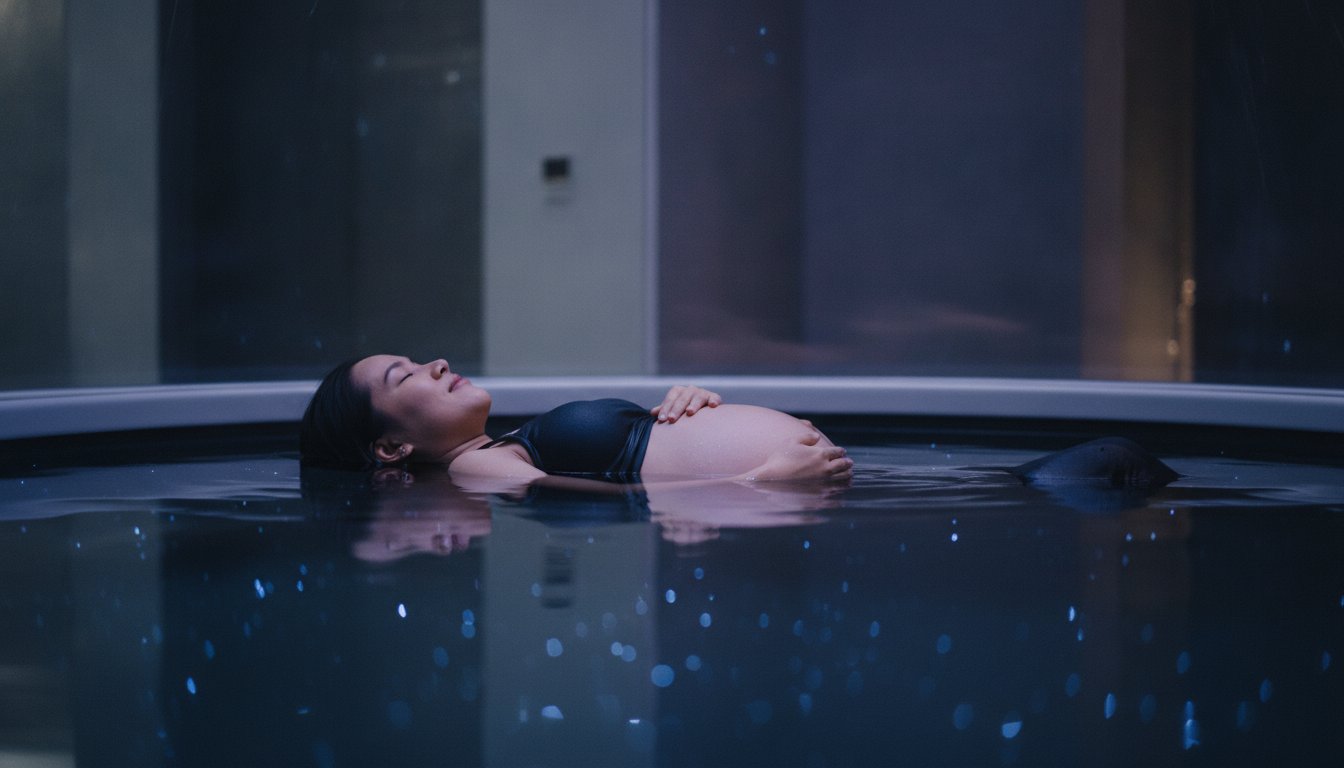
Yes, floating is generally safe and very beneficial during the second and third trimesters of pregnancy. The weightlessness provides immediate relief from the physical strain on your back and joints while offering a peaceful space to bond with your baby. We always recommend consulting with your doctor first to ensure it's the right choice for your specific health journey and comfort.
What happens if I fall asleep during my float session?
Falling asleep is perfectly safe and is actually a sign of deep, restorative relaxation. The high concentration of Epsom salt makes you incredibly buoyant, so you'll stay afloat on your back without any conscious effort. Many guests find that a short "theta nap" in the tank feels as restorative as several hours of deep sleep in a traditional bed.