Imagine a place where gravity simply ceases to exist and the weight of the world dissolves into warm, salt-rich water. It's a beautiful concept, yet many newcomers find themselves asking: is float therapy safe? You might worry about losing control in the stillness, or perhaps you feel anxious about the clinical cleanliness of the water. These concerns are a natural part of seeking a new sanctuary, and they deserve clear, honest answers before you begin your journey toward deep restoration.
The truth is that floating is a meticulously engineered experience designed for your total security. Because of the 1,000 pounds of Epsom salt creating a specific gravity of up to 1.3, it's physically impossible to sink, even if you drift into a deep sleep. This guide will walk you through the rigorous 2025 North American Float Tank Standards and the clinical-grade filtration systems that keep the water pristine. You'll discover exactly how we maintain this weightless refuge and learn which specific medical conditions require a doctor's visit first, giving you the confidence to finally let go and embrace the silence.
Key Takeaways
- Explore the science of weightlessness and learn why the unique density of the water provides a secure foundation where sinking is physically impossible.
- Gain confidence in your wellness journey as we explain the rigorous filtration standards that clarify why is float therapy safe for your skin and health.
- Understand the features that put you in total control of your sanctuary, ensuring that your comfort and personal space are always respected.
- Identify the specific health conditions and physical preparations necessary to ensure your session is a restorative success rather than a distraction.
- Learn how to distinguish a professional float center by its commitment to the latest industry safety regulations and specialized client care.
The Physics of Buoyancy: Why It Is Physically Impossible to Sink
Step into the water and feel the immediate shift in your relationship with the earth. One of the most common questions new guests ask is: is float therapy safe for someone who isn't a strong swimmer? The answer lies in the elegant science of buoyancy. Inside the tank, you aren't just resting in water; you are resting on a dense, supportive solution that makes sinking a physical impossibility. This environment creates a "cork effect" where your body remains effortlessly on the surface, regardless of your size, weight, or swimming ability.
To understand this sensation, compare it to the Dead Sea. While the Dead Sea is famous for its buoyancy, a modern float tank is even more concentrated. This high density ensures that your face, mouth, and nose stay well above the waterline at all times. You don't have to treading water or exert any muscular effort to stay afloat. Your only job is to let go and allow the water to hold you.
The Science of Magnesium Sulfate and Water Density
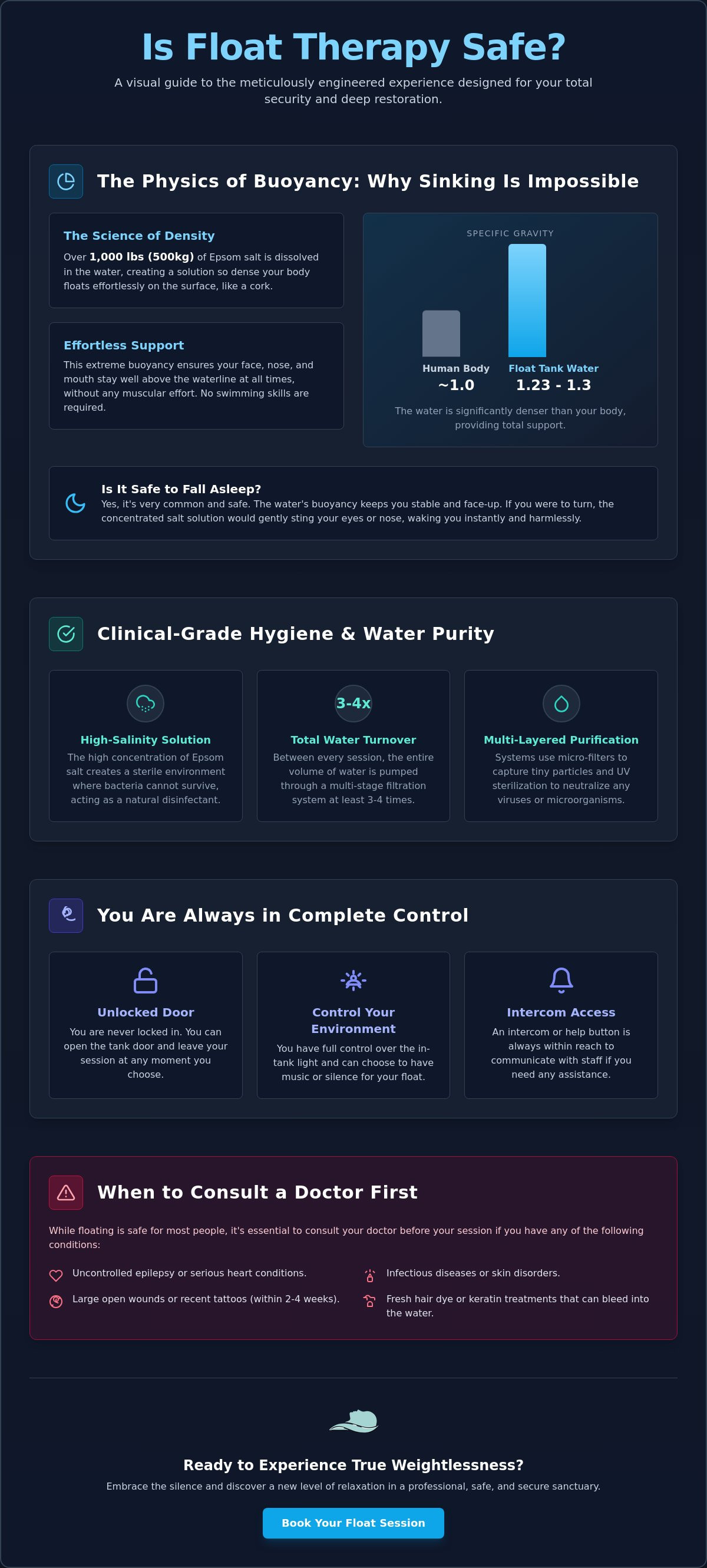
The secret to this weightless sanctuary is the massive amount of Epsom salt, or magnesium sulfate, dissolved into the water. Most tanks utilize over 500kg of salt to create a solution with a specific gravity between 1.23 and 1.3. This makes the water significantly denser than the human body. As you explore What is an Isolation Tank?, you'll see that this design is specifically intended to eliminate the effects of gravity on the musculoskeletal system. The solution is so dense that even a person who cannot swim will float effortlessly on the surface. This zero gravity state allows your spine to decompress and your joints to find a neutral, pain-free alignment that's rarely achieved in daily life.
Sleeping in the Tank: A Common and Safe Occurrence
It's quite common for the mind to drift into a deep "theta" state, a rhythmic bridge between wakefulness and sleep. Many people actually fall into a refreshing slumber during their session. If you're wondering if is float therapy safe while you sleep, rest assured that the physics of the tank protect you. The extreme buoyancy makes it nearly impossible to roll over accidentally. Your body naturally finds a stable, supine position and stays there. If you were to somehow turn, the high salt concentration would cause an immediate, harmless sting in the eyes or nose that would wake you instantly. Most find that waking up in the tank is a gentle, peaceful transition back to the world, leaving them feeling profoundly renewed.
- Total Support: 1,000 pounds of salt ensures you stay on top of the water.
- Natural Stability: The water's density keeps you locked in a safe, face-up position.
- Effortless Rest: No swimming skills or muscle tension required to stay safe.
Clinical-Grade Hygiene: Understanding Water Purification Standards
While the sensation of weightlessness is the primary draw of the tank, the purity of the water is what allows for true mental release. You might wonder, is float therapy safe when sharing a solution with other guests? It's a valid question that professional centers answer with medical-grade technology. The high concentration of Epsom salt mentioned previously does more than just keep you afloat; it creates a natural environment where most common bacteria simply cannot survive. This high salinity acts as a constant, passive sanitizer, providing a foundation of cleanliness that far exceeds typical recreational water.
Beyond the natural properties of salt, modern facilities adhere to rigorous 2026 industry standards for water turnover. Between every single session, the entire volume of the solution is pumped through a sophisticated filtration system at least three to four times. This ensures that every drop of water you touch has been thoroughly scrubbed and sterilized before you even step into the room. This commitment to hygiene is why the clinical safety of floatation therapy is so highly regarded by wellness experts and health departments alike.
The Triple-Filtration System Explained
Professional tanks utilize a multi-layered approach to ensure the water remains crystalline and sterile. This process typically includes:
- Mechanical Filtration: A high-density filter captures physical particles as small as one micron, which is significantly smaller than a human hair.
- UV Sterilization: As the water passes through the filtration loop, it's exposed to powerful Ultraviolet (UV) light. This light neutralizes viruses and pathogens by disrupting their DNA, rendering them harmless.
- Advanced Oxidation: Many centers use Hydrogen Peroxide (H2O2) in combination with UV light to create a powerful, non-toxic oxidation process that keeps the water soft and pure without the harsh smell of chlorine.
Staff also perform regular water testing throughout the day to monitor pH levels and chemical balance, ensuring the solution remains gentle on your skin while maintaining its sterile integrity.
Why Float Water is Cleaner than a Swimming Pool
It's helpful to contrast a float tank with a traditional swimming pool. Pools are "open systems" exposed to sunlight, wind, and organic debris like leaves or insects, all of which can breed bacteria. In contrast, a float tank is a "closed-loop" environment. There's no sunlight to trigger algae growth and no external contaminants entering the water. Furthermore, every guest is required to take a thorough pre-float shower to remove body oils and products, ensuring the water stays pristine for everyone. If you're looking for a sanctuary that prioritizes these clinical standards, the Bangkok Float Center provides a meticulously maintained environment for your next session.
When you consider these layers of protection, it becomes clear that the answer to "is float therapy safe" is a resounding yes. The combination of high salinity, rapid turnover rates, and UV sterilization creates a water quality that is often superior to the tap water in your own home. This allows you to close your eyes, breathe deeply, and focus entirely on your recovery without a single worry about the world outside.
Claustrophobia and Control: You are Always in Charge
The idea of stepping into a confined space can feel daunting if you've ever struggled with claustrophobia. Many people ask, is float therapy safe for those who feel uneasy in small rooms? It's a common concern rooted in the "coffin-like" depictions of early isolation tanks from the 1970s. Modern float pods, however, are designed with a completely different philosophy. They are spacious, airy sanctuaries where you hold the keys to your own comfort. You are never "locked in" or forced into a situation you can't control.
The feeling of the tank is one of expansion, not restriction. Once you settle into the warm solution, the boundaries of the pod seem to vanish. Because there's no pressure on your body, the physical walls often feel miles away. This sense of infinite space is a hallmark of the experience, providing a mental room that feels much larger than the pod's physical dimensions. It's a place where you can finally breathe without the weight of the external world pressing in on you.
The Myth of Being "Trapped" in the Dark
Safety begins with the knowledge that you are in total command. The pod door or lid is never locked; it operates on a simple manual or hydraulic hinge that you can push open with a single finger. If you ever feel the need to step out, you can do so in seconds. Inside, you'll find intuitive light switches and safety handles that allow you to navigate the space with ease. This isn't about forced isolation. It's a self-directed journey where you decide exactly how much sensory reduction you want. Knowing you have an immediate exit strategy often provides the peace of mind needed to finally relax.
Customizing Your Environment for Comfort
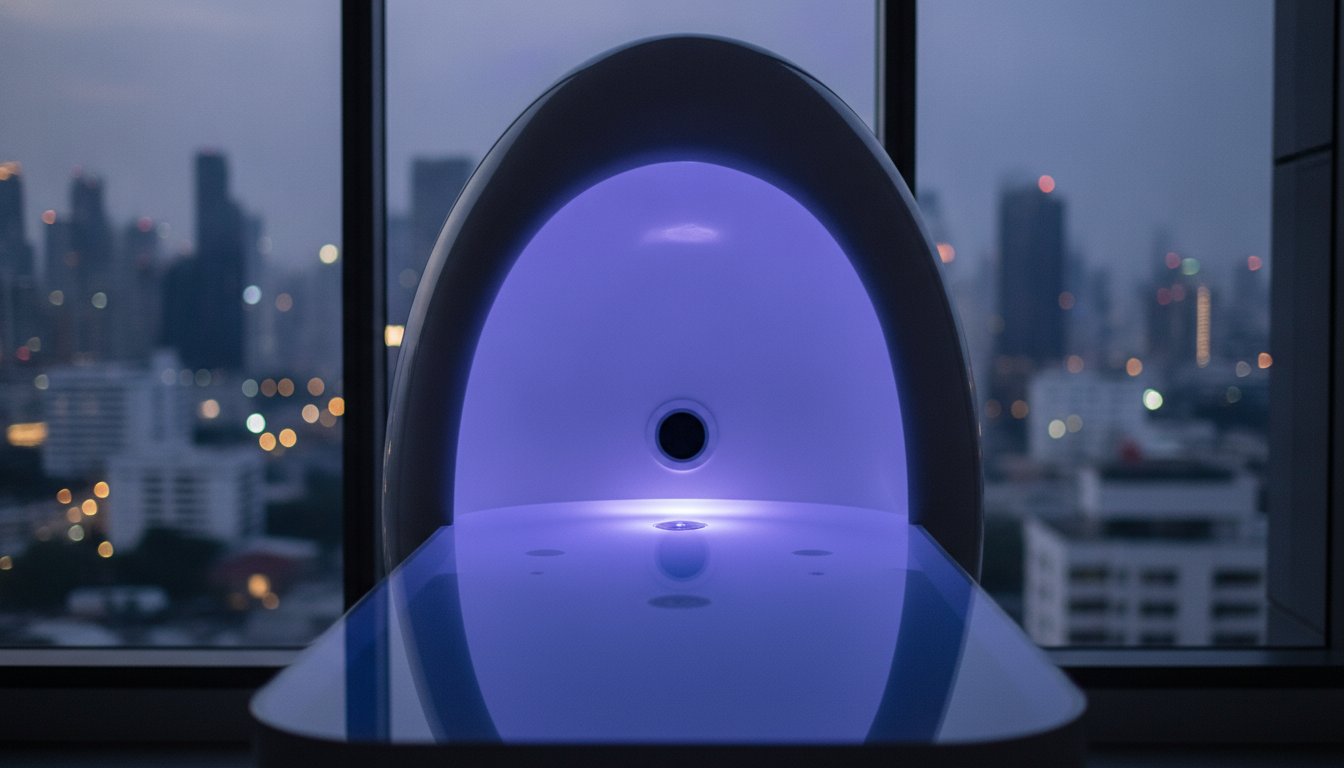
You don't have to plunge into total darkness on your first visit to understand why is float therapy safe for your peace of mind. Many beginners choose to leave the lid propped open or keep the internal soft-blue lights on for the entire session. You can even enjoy ambient music to help anchor your thoughts. The benefits of zero gravity therapy are effective regardless of the light levels or door position.
Finding your "comfort threshold" is part of the process. You might start with the lid wide open, then gradually lower it over several sessions as your trust in the environment grows. There is no right or wrong way to float. Whether you prefer a sliver of light or total obsidian stillness, the sanctuary adapts to you, ensuring your journey remains a restorative escape rather than a challenge to be endured.
Medical Contraindications: Who Should Consult a Doctor?
While we've explored the physics and hygiene that make this experience a secure sanctuary, true peace of mind comes from knowing if your unique body is ready for the water. So, is float therapy safe for every individual? For the vast majority, the answer is a resounding yes. However, because your body interacts with a high concentration of Magnesium Sulfate, there are specific medical conditions that require a conversation with your healthcare provider first.
Individuals with epilepsy should always seek a medical green light. While the tank is a controlled environment, the risk of a seizure while in water requires professional clearance and often a specialized protocol. Similarly, those with severe kidney disease must consult their doctor. Since your skin absorbs magnesium during the session, your kidneys need to be functioning well enough to process this mineral boost. It's about ensuring your path to renewal is as smooth as possible.
Physical comfort also plays a role in your safety. If you have open wounds, fresh piercings, or new tattoos, the high salt content will cause a sharp stinging sensation. This isn't harmful to your health, but it certainly disrupts the tranquility you're seeking. We recommend waiting until the skin is fully healed before scheduling your escape. If you're unsure about a specific condition, the team at Bangkok Float Center is always available to discuss how to prepare for your first session.
Pregnancy and Floating: A Weightless Relief
For many expectant mothers, the float tank is the only place where they can truly escape the physical burden of pregnancy. During the second and third trimesters, the added weight can lead to significant back and joint pain. Floating provides immediate relief by neutralizing gravity. There's a beautiful "mirror effect" here; as your baby floats in the womb, you are floating in a similar state of total support. It's a profound moment of connection and physical ease. That said, you must always check with your OB-GYN before your first session to ensure your pregnancy is progressing in a way that makes floating appropriate for you.
Temporary Reasons to Postpone Your Float
Sometimes, the timing just isn't right. You should wait to float if you've recently dyed your hair, as the salt can strip the color and damage our equipment. Usually, waiting until the water runs clear in your home shower is enough. Other temporary factors include:
- Infectious Diseases: If you have a fever or a contagious illness, please stay home to rest and protect the sanctuary for others.
- Freshly Shaved Skin: Shaving within 12 hours of your float can lead to minor skin irritation from the salt.
- Severe Skin Sensitivities: While magnesium is often healing, those with active eczema or psoriasis flares should consult a dermatologist to ensure is float therapy safe for their current skin state.
The Professional Sanctuary: How to Ensure a Safe Session
Finding a space that feels like a true sanctuary is the final step in your journey toward total peace of mind. While the science of buoyancy and clinical hygiene confirms the answer to is float therapy safe, the physical environment of the center you choose plays a vital role in your overall security. A dedicated facility isn't just a business; it's a carefully managed ecosystem designed to protect your physical and mental state. When you step into a professional center, you should feel an immediate sense of order, cleanliness, and expert care.
Choosing the right environment means looking for a facility that treats floating as a specialized practice rather than a secondary spa service. Centers that focus exclusively on floatation therapy often invest more heavily in the advanced filtration technology and staff training required to maintain a secure environment. This specialization ensures that every guest receives the same high standard of care, from the moment they walk through the door to the final minutes of their post-float reflection.
What to Look for in a Quality Float Center
A professional sanctuary is transparent about its operations. You should feel comfortable asking about their hygiene protocols or even seeing the filtration systems if you're curious. Look for these indicators of a high-quality center:
- Detailed Inductions: A professional guide will always provide a thorough walkthrough for first-time floaters, explaining how to use the equipment and what to expect.
- Trained Staff: Ensure the team is well-versed in safety protocols and guest assistance, providing a reliable partner for your wellness journey.
- Professional Reviews: Read feedback from other guests, specifically looking for mentions of consistent cleanliness and the helpfulness of the staff.
Starting with a 60-minute float session is a safe and effective way to begin. This timeframe allows your nervous system to adjust to the unique sensation of weightlessness without feeling rushed or overwhelmed by the deep stillness.
Your Role in the Safety Process
Safety in the tank is a partnership between the center and the guest. Your role begins with the pre-float shower, which is the most important step in maintaining the purity of the water. By removing body oils and products, you help ensure the filtration system works at peak efficiency. It's also essential to follow the instructions regarding earplugs. Properly inserted earplugs prevent the salt solution from entering the ear canal, ensuring your comfort remains uninterrupted.
Once your session concludes, your physical safety depends on a slow, mindful transition back to reality. Your muscles will be profoundly relaxed, and your senses may feel significantly sharper. Take your time in the post-float lounge to ground yourself. Understanding what to do after float therapy is vital for safely returning to a busy environment or driving. This period of quiet reintegration is the final layer of your sanctuary experience, ensuring you carry the benefits of your float safely into the world outside. When you prioritize these professional standards, the question of is float therapy safe is answered by the deep, secure relaxation you feel in every fiber of your being.
Embrace the Stillness with Total Confidence
You've explored the meticulous science and engineering that transform a simple tank into a secure refuge. From the undeniable physics of buoyancy that keeps you effortlessly afloat to the clinical-grade filtration and UV sterilization that ensures every drop of water is pristine, every detail is crafted for your protection. By now, you understand why is float therapy safe for your body, your mind, and your personal journey toward renewal. You aren't just stepping into water; you're entering a meticulously managed sanctuary where you are always in total control of your environment.
Our specialized zero-gravity tanks and professional staff, trained in both safety and deep relaxation protocols, are ready to guide you through your first experience. Whether you're seeking relief from physical pain or a quiet escape from a busy world, we provide the expertise needed for a worry-free reset. Book Your Safe Haven: Schedule a Session Today and discover the profound relief that comes when you finally let go. The silence is waiting for you. Step inside and let the weight of the world finally dissolve.
Frequently Asked Questions About Your Sanctuary
Is it possible to drown if I fall asleep in a float tank?
It's physically impossible to drown because the extreme density of the water keeps you face-up at all times. With 1,000 pounds of Epsom salt creating a specific gravity of 1.3, your body is significantly more buoyant than it would be in any ocean. Even if you drift into a deep sleep, you won't roll over or sink, allowing you to rest with total peace of mind.
How is the water cleaned between each float session?
We use a medical-grade filtration system that cycles the entire volume of water at least three to four times between every guest. This process utilizes powerful UV light and hydrogen peroxide to neutralize bacteria and viruses instantly. The high salinity also creates a naturally sterile environment where most pathogens cannot survive, ensuring the water is cleaner than a typical swimming pool.
Can I float if I am claustrophobic?
Yes, because you are in total control of the environment from start to finish. The pod door never locks and can be left wide open if you prefer. You also manage the internal lighting and ambient music, ensuring you feel spacious and secure. Many guests find the sensation of weightlessness actually helps the physical walls of the tank seem to vanish entirely.
Is float therapy safe during pregnancy?
Floating is often recommended for expectant mothers to relieve the intense back and joint pain common in the second and third trimesters. The weightless environment provides a rare moment of physical relief for your spine and feet. While it's a beautiful way to connect with your baby, we always require that you consult your OB-GYN before your first visit to ensure it's appropriate for you.
What happens if I get salt water in my eyes?
It will cause a sharp sting, but it's entirely harmless to your vision and will not cause long-term irritation. Every pod is equipped with a fresh water spray bottle and a clean towel within easy reach. Simply rinse your eyes with the fresh water to immediately dissolve the salt and resume your rest. We provide these tools to ensure your transition back to stillness is quick.
Do I need to be able to swim to use a sensory deprivation tank?
No swimming skills are required because the water is only 10 to 12 inches deep and heavily saturated with salt. The density of the solution ensures you float effortlessly on the surface without any muscular effort. You'll find that is float therapy safe even for those who are uncomfortable in deeper water, as your face remains well above the waterline at all times.
Can I float if I have a skin condition like eczema or psoriasis?
Magnesium is often beneficial for skin health, but the high salt concentration can sting active flares or open sores. If your skin is currently broken or highly irritated, it's best to wait for the area to fully heal. You should consult your dermatologist to confirm if is float therapy safe for your specific skin state before scheduling a session during a flare-up.
Is there a weight limit for float therapy safety?
There is no weight limit because the buoyancy of the magnesium sulfate solution supports everyone regardless of their body type. Our pods are designed to be incredibly spacious, allowing plenty of room for guests of all sizes to stretch out and experience total weightlessness. The water's density ensures that every individual feels light and completely supported throughout their session.