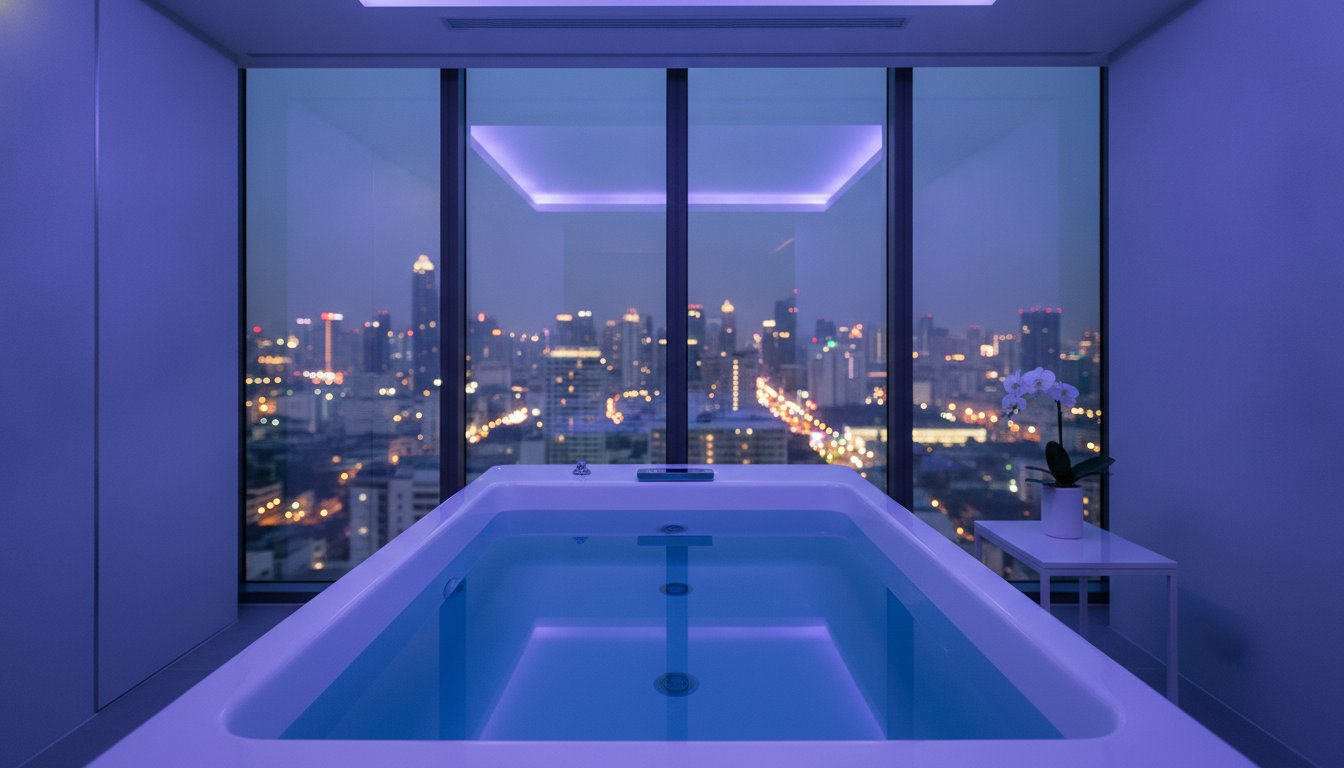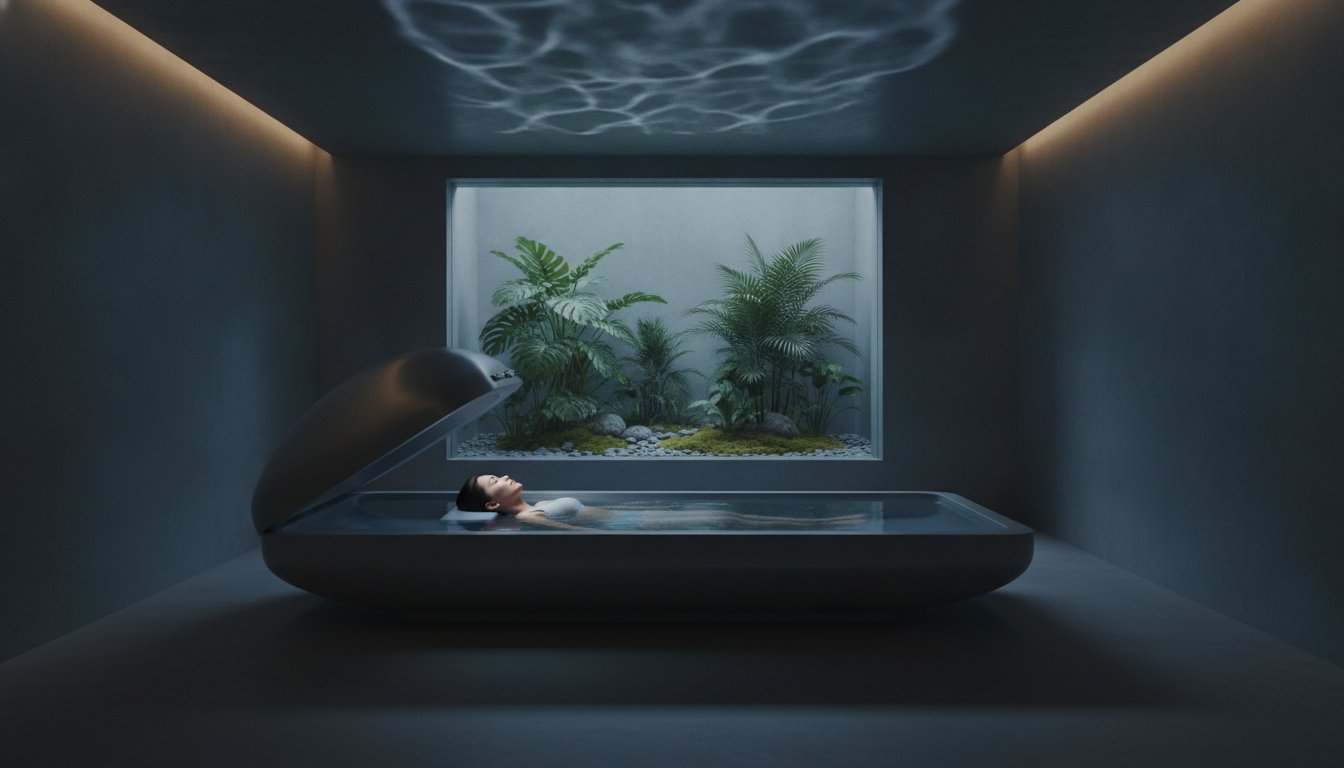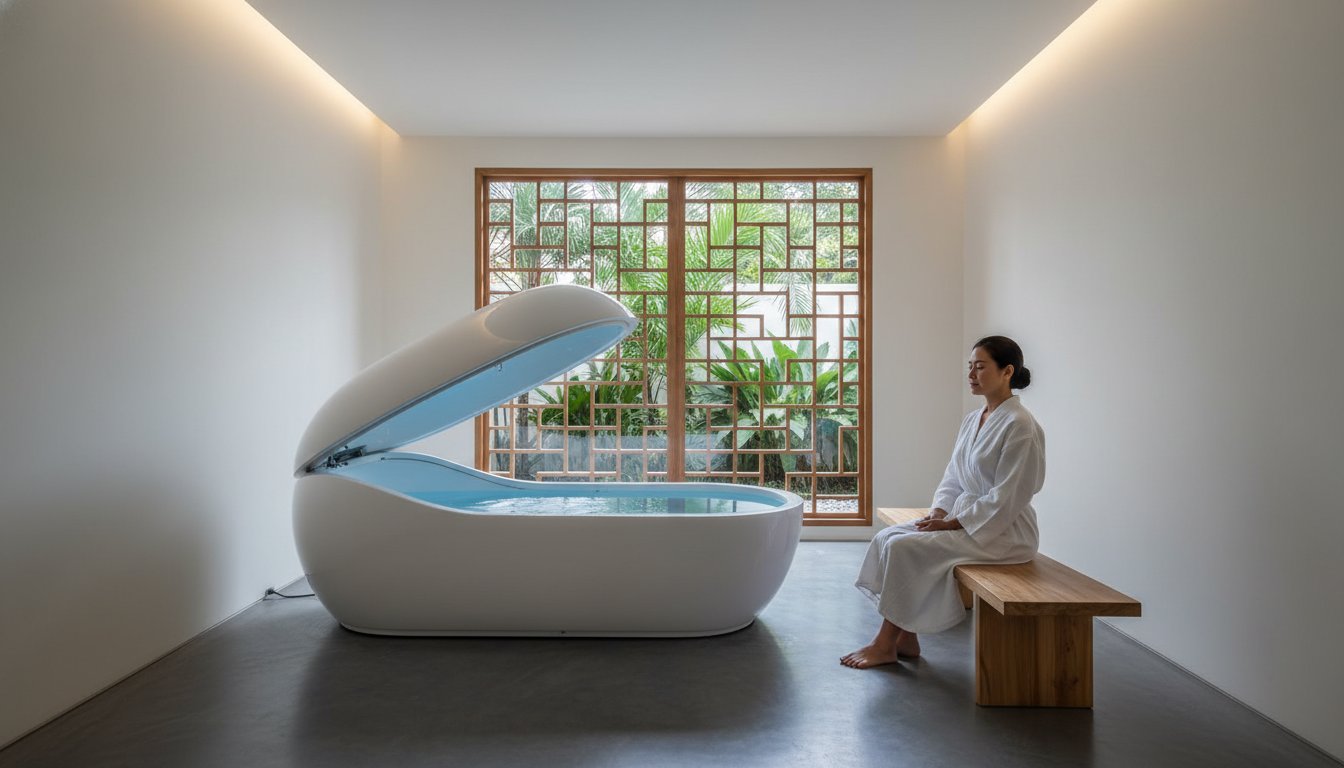
Have you ever tried to find absolute silence in your own home, only to be interrupted by the hum of a refrigerator or the distant sound of traffic? We all crave a sanctuary where the world finally stops demanding our attention. It's natural to wonder if you can recreate that profound sense of weightlessness in your spare room or if you need a dedicated professional space to truly let go. When weighing the options of a float tank at home vs float center, the decision often comes down to whether you want a complex DIY project or a guaranteed escape into the cosmos.
You likely already know that high stress and chronic muscle tension require more than just a quick nap to resolve. You want a reliable way to disconnect without the daily burden of salt levels, water chemistry, or humidity control. This guide explores the critical differences between home setups and professional centers to help you find your perfect path to deep relaxation. We will look at the true cost of maintenance, the challenge of achieving total sensory silence, and how to secure a hassle-free ritual that restores your spirit and mental clarity.
Key Takeaways
- Learn why professional soundproofing and precise skin-neutral temperatures are essential for reaching a true state of sensory deprivation.
- Understand the ongoing commitment required for water chemistry and the "salt creep" phenomenon that comes with maintaining a home setup.
- Discover how physically leaving your daily environment helps silence "mental anchors" and deepens your meditative journey.
- Compare the long-term investment of a float tank at home vs float center to decide which path offers the most reliable, hassle-free relaxation ritual.
- Explore how 500kg of medical-grade Epsom salt creates the weightless environment needed for physical recovery and mental clarity.
The Allure of Weightlessness: Understanding Modern Float Tank Benefits
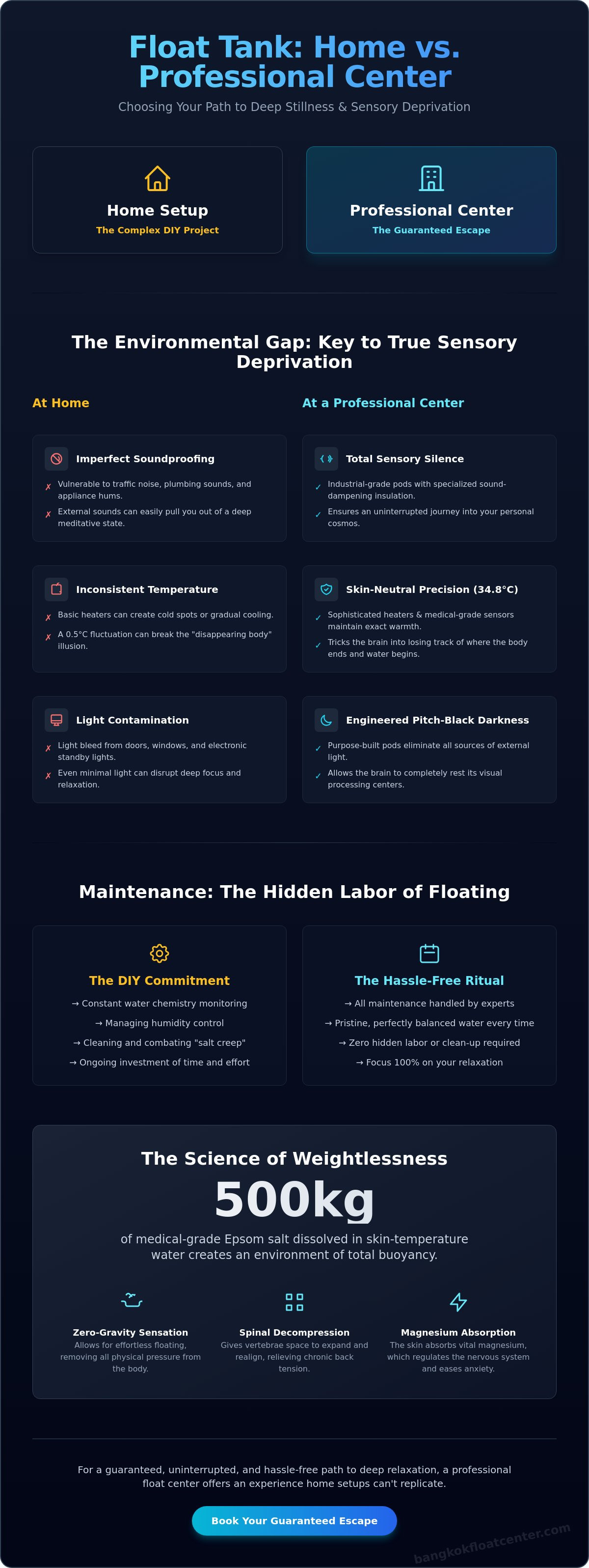
Imagine a world where gravity simply ceases to exist. This is the foundation of Restricted Environmental Stimulation Therapy, or REST, a practice designed to quiet the nervous system by removing the constant data stream of modern life. By dissolving 500kg of medical-grade Epsom salt into skin-temperature water, a density is created that allows you to float effortlessly on the surface. Whether you are weighing the choice of a float tank at home vs float center, the core physics remain the same: you are seeking a state of total buoyancy that the human body rarely experiences on land.
The Science of Sensory Deprivation
When you enter an isolation tank, you give your brain a rare opportunity to recalibrate. Without light, sound, or the need to process external temperature, your mind shifts from high-frequency Beta waves to the deeply meditative Theta state. This transition triggers a "brain-mirroring" effect. As the external world goes silent, your mind creates its own profound internal peace, often leading to vivid creative insights or a sense of timelessness. Proprioception is your body’s internal awareness of its position and movement, a sense that gently fades away as you float in a state of perceived zero gravity.
Physical vs. Mental Relief
True relaxation in the tank isn't something you actively do; it's something you allow to happen. Unlike traditional meditation where you might struggle to keep your focus, the weightlessness provides a "forced relaxation" that commands your muscles to release. It's the most efficient way to achieve total spinal decompression. Without the weight of your body pressing down, your vertebrae finally have the space to expand and realign. This physical liberation is why many athletes and office workers alike find the tank essential for rapid muscle recovery.
The benefits extend deep into your chemistry as well. As you float, your skin absorbs magnesium from the salt, a mineral vital for regulating your nervous system and easing anxiety. This process works in tandem with a significant reduction in cortisol, the body's primary stress hormone. When comparing a float tank at home vs float center, many practitioners find that the mental clarity and creative flow achieved in these professional environments are difficult to replicate elsewhere. The result is a total renewal of the spirit, leaving you feeling balanced, grounded, and ready to return to the world with a fresh perspective.
Float Tank at Home vs. Professional Center: The Environmental Gap
The core of a successful float is the environment. When choosing between a float tank at home vs float center, you're really choosing between a makeshift sanctuary and a precision-engineered void. While home setups offer convenience, they often struggle to maintain the absolute sensory silence required for the deepest meditative states. Professional centers invest heavily in infrastructure that removes every possible distraction, ensuring that your journey inward remains uninterrupted by the outside world.
Achieving Total Sensory Silence
Residential rooms aren't built for silence. Sounds from residential plumbing, street traffic, or even the hum of an air conditioner can easily penetrate a home-based tent or tub. In contrast, professional centers use industrial-grade pods constructed with specialized sound-dampening insulation and high-density materials. The psychological impact is profound. Hearing a phone chime in the next room or a neighbor’s car door can instantly pull you out of a Theta state. A professional pod ensures you remain undisturbed in your personal cosmos, providing a level of isolation that is nearly impossible to replicate in a standard apartment or house.
The Precision of Skin-Neutral Temperature
The "disappearing body" illusion relies entirely on the water being exactly 34.8°C. This specific temperature matches the surface of your skin, tricking your brain into losing track of where your body ends and the water begins. Even a 0.5-degree fluctuation can break this spell. Commercial-grade tanks use sophisticated heaters and medical-grade sensors to maintain this exact warmth throughout your entire session. Home setups often rely on basic heating elements that can create cold spots or gradual cooling. This forces your brain to remain "online" to process the thermal change, preventing the total mental release you seek.
Achieving total "pitch black" darkness at home is also surprisingly difficult. Light bleed from under doors or electronic standby lights can disrupt your focus. Professional facilities are designed with light-locks and zero-source environments to ensure total visual silence. Additionally, advanced airflow and humidity management systems prevent the air inside the pod from becoming stuffy or overly humid. This environmental control is a key reason why clinical research into Floatation-REST for anxiety and depression often utilizes these high-end commercial environments. If you want to experience this level of precision without the technical headache, booking a session at a professional float center is the most reliable way to find your stillness.
Maintenance, Chemistry, and the Hidden Labor of Home Floating
The dream of stepping into a personal sanctuary at any hour is what often drives the debate of a float tank at home vs float center. However, the transition from a "Zen seeker" to a "water technician" is a reality many home owners don't anticipate. Beyond the initial setup, maintaining a pristine environment requires a disciplined commitment to chemistry and mechanical upkeep. In a professional center, this labor is invisible to you, allowing your only focus to be your own renewal. At home, the burden of maintenance can quickly become a "mental anchor" that prevents the very relaxation you're trying to achieve.
Owning a tank means assuming the role of a water chemist. You must perform daily tests for pH, alkalinity, and salt concentration to ensure the water remains soft and inviting. If these levels drift even slightly, the high salt content can become abrasive to your skin or cause the water to turn cloudy. There's also the relentless challenge of "salt creep." Epsom salt is incredibly invasive; as water evaporates, the salt crystallizes and begins to climb up the walls of the tank, into the hinges, and across every nearby surface. Without constant cleaning, this white crust can damage your home's flooring and fixtures.
Water Quality and Hygiene Standards
Professional facilities adhere to rigorous sanitation protocols that are difficult and expensive to replicate in a residential spare room. Between every session, commercial pods engage a multi-stage filtration process that typically includes high-output UV light, ozone purification, and 1-micron filtration. This ensures the water is medically clean before the next guest enters. Achieving this level of crystal-clear purity at home without industrial-grade equipment is a constant struggle. Improper chemical balancing doesn't just ruin the experience; it can lead to bacterial growth or skin irritation, turning your sanctuary into a safety concern.
The Reality of Managing 1,000 Pounds of Salt
The logistics of home floating are heavy. A standard tank requires approximately 1,000 pounds (roughly 450kg) of Epsom salt to achieve the necessary buoyancy. Storing, hauling, and properly dissolving this volume of salt is a physically demanding task. Additionally, the salt-saturated air is highly corrosive to standard household electronics and poorly ventilated pumps. Many home users find that their equipment requires frequent repairs as the salt air penetrates the motor housing and control panels. Salt crystallization is the primary enemy of home tank longevity because it relentlessly corrodes mechanical parts and surfaces. When comparing a float tank at home vs float center, the professional option offers a reliable, hassle-free ritual where the only thing you have to do is breathe and let go.
The Ritual of Relaxation: Why Mental Space Matters
The psychological shift that occurs when you physically leave your home is a vital part of the recovery process. When you're deciding between a float tank at home vs float center, it's easy to overlook how much your environment influences your ability to let go. Home is the center of your daily responsibilities. It's where the laundry sits, the bills are filed, and your family needs your attention. These "mental anchors" can keep your brain tethered to your to-do list, even when you're floating in total darkness. By traveling to a dedicated sanctuary, you're sending a clear signal to your mind that the time for "doing" has ended.
Escaping the "To-Do" List
A professional center provides a space that has no other purpose than stillness. This physical separation is essential for a true digital detox. When you place your phone in a locker and step away from your living space, you're removing the temptation to remain "online." It's much harder for the brain to shut down when your kitchen or home office is just a few meters away. A professional pod acts as a container for peace, intentionally scrubbed of the daily pressures that keep your nervous system on high alert. This allows you to descend into the quietude of the Theta state with much less resistance.
The Value of a Guided Journey
For many practitioners, especially those new to sensory deprivation, the first few sessions can involve a period of adjustment. This is where the expertise of professional staff, acting as your Zen Guides, becomes invaluable. They are trained to help you overcome initial hurdles like claustrophobia or difficulty settling into the water. Professional centers also provide a structured ritual that enhances the experience. From specialized showers to quiet tea rooms for post-float reflection, every detail is designed to ease your transition back into the world. These amenities aren't just luxuries; they're tools for a more consistent meditative practice.
The "set and setting" of a professional environment ensures that your session remains a sacred time for renewal. In a center, your aftercare is handled with care, allowing you to slowly re-integrate without the immediate noise of household chores or errands. This methodical transition helps you carry the sense of weightlessness and mental clarity much further into your day. To experience the full power of this ritual in a space designed solely for your well-being, we invite you to book your session at a professional float center and discover the profound relief of a guided journey.
Choosing Your Path to Deep Stillness
Deciding between a float tank at home vs float center is ultimately a decision about the quality of your peace. While the idea of a personal pod is enticing, the reality involves significant upfront costs and a never-ending list of maintenance tasks. For the vast majority of practitioners, a professional center remains the logical choice because it removes the "work" from the wellness ritual. It allows you to step out of your life and into a sanctuary where every technical detail is managed by experts, leaving you free to simply exist in the quiet.
Before you commit to your own hardware, it's essential to experience the gold standard of floatation. Professional environments are designed to eliminate the variables that can ruin a home session, such as temperature drops or distant traffic noise. By visiting a center first, you gain a clear understanding of what a "perfect float" feels like, setting a benchmark for your own meditative practice. This perspective helps you decide if you truly want to manage the logistics yourself or if you prefer the effortless relief of a professional facility.
When to Consider a Home Tank
A home tank is a major lifestyle commitment that goes beyond the purchase price. It's best suited for daily users who have a high budget for renovations and a genuine interest in water chemistry. You'll need a dedicated, waterproofed room with specialized ventilation to prevent salt-saturated air from damaging your home's structure. Plumbing expertise is also a requirement, as you'll be responsible for regular drainage and filter changes. Even for personal use, a professional-grade filtration system is non-negotiable to ensure the water remains safe and hygienic. For most people, the labor-intensive nature of home ownership eventually becomes a distraction from the relaxation they seek.
When evaluating a professional space, use this checklist to ensure you're receiving the ultimate experience:
- Industrial-grade filtration systems including UV light and ozone purification.
- True soundproofing that successfully blocks out the city's hum.
- Precision temperature sensors that maintain a consistent 34.8°C.
- Expert staff who act as "Zen Guides" to facilitate your journey.
The Seamless Experience of a Professional Center
The beauty of a professional center lies in the "walk-in, walk-out" convenience. You don't have to worry about salt deliveries, humidity control, or pump repairs. You simply arrive, leave your world in a secure locker, and step into the weightless void. Professional facilities provide all the amenities you need, from high-end earplugs to specialized showers and quiet reflection areas. This structured ritual ensures that your mind stays focused on renewal rather than chores. It's a reliable way to ensure your recovery time remains sacred and undisturbed.
You can choose the depth of your escape with a 60-minute float for ฿1,700 or a more immersive 90-minute float for ฿1,950. If you wish to share the stillness with a partner, couple sessions are available for ฿3,300 (60 minutes) or ฿3,900 (90 minutes). This variety allows you to tailor your ritual to your specific needs without any technical burden. Ready for total stillness? Book your professional float session today.
Step Into Your Personal Void
Finding true stillness is a journey that requires the right environment. While the debate of a float tank at home vs float center often centers on convenience, the reality lies in the precision of the experience. A professional sanctuary removes the hidden labor of salt maintenance and technical calibration, allowing you to focus entirely on your mental clarity and physical recovery. You don't have to manage chemistry or soundproofing; you simply have to let go.
By choosing a dedicated facility, you benefit from specialized zero-gravity tanks designed for total sensory deprivation and pristine sanitation standards that utilize industrial-grade filtration. More importantly, you gain a space free from domestic distractions, where the only objective is your renewal. It's time to trade the to-do list for a state of weightless wonder and profound relief.
Experience a professional zero-gravity reset today and discover how deep your stillness can truly go. Your path to serenity is waiting.
Frequently Asked Questions
Is a home float tank as effective as a professional pod?
Professional pods are generally more effective because they offer superior sensory isolation and temperature stability. While a home tank provides the necessary buoyancy, it often lacks the industrial-grade soundproofing and precise heating sensors required to reach a deep Theta state. Achieving the "disappearing body" sensation is much easier when the environment is engineered to eliminate every possible external distraction.
How much maintenance does a home float tank actually require?
A home tank requires daily attention to water chemistry, including testing pH, alkalinity, and salt concentration levels. You'll also need to manage "salt creep," which involves cleaning crystallized Epsom salt from surfaces to prevent corrosion. Every few months, a full deep clean and filter replacement are necessary to keep the water clear and safe for your next session.
Can I use a regular bathtub for float therapy at home?
A regular bathtub isn't suitable for true float therapy because it cannot hold the 500kg of Epsom salt needed for effortless buoyancy. Most standard tubs are also too short to allow for full body extension without touching the sides. Additionally, bathtubs lack the heating systems required to maintain a constant skin-neutral temperature of 34.8°C for an hour or more.
Are professional float centers more sanitary than home tanks?
Professional float centers follow rigorous medical-grade sanitation standards that are difficult to replicate at home. Between every guest, industrial systems use UV light, ozone purification, and 1-micron filtration to scrub the water. While you can maintain a home tank, the high-volume turnover and professional-grade equipment used in centers provide a more consistent and verifiable level of hygiene.
Why is it so hard to achieve total silence in a home float setup?
Achieving total silence at home is difficult because residential buildings aren't designed to block out low-frequency sounds like plumbing, traffic, or neighbors. Professional pods use high-density insulation and specialized isolation materials to create a "room within a room" effect. When comparing a float tank at home vs float center, the professional option is the only way to ensure domestic noises don't interrupt your meditative state.
What is the cost difference between home floating and center sessions over one year?
The initial investment for a home tank can range from ฿65,000 for basic tents to over ฿1,000,000 for premium pods. Monthly costs for salt, electricity, and filters typically average between ฿2,500 and ฿7,500. In contrast, floating at a professional center allows you to enjoy a 60-minute session for only ฿1,700 without the heavy upfront capital or the ongoing labor of maintenance.
Do I need special plumbing or electrical work for a home float tank?
Most professional-grade home tanks require dedicated electrical circuits and reinforced flooring to support the weight of 1,000 liters of water plus the salt. You'll also need specialized ventilation to manage the high humidity and prevent mold growth in the room. It's rarely as simple as plugging in a device; it often involves a significant and costly home renovation project.
Is it better to float for 60 or 90 minutes for my first time?
For your first time, a 60-minute session is usually the perfect introduction to the weightless experience. It provides enough time for your nervous system to settle without feeling too long as you adjust to the new environment. If you already practice meditation or have high stress levels, the 90-minute option allows for a much deeper descent into the quietude of the sensory void.