What if the most effective way to heal your body isn't through the pressure of a therapist's hands, but through the complete absence of gravity? In a city with over 28,000 wellness centers, finding the right path to peace can feel as overwhelming as the traffic outside. You've likely tried every traditional technique, yet that lingering mental fatigue and stubborn muscle tension just won't budge. When weighing the benefits of float therapy vs massage Bangkok locals often find that these two experiences provide vastly different routes to recovery.
We understand that deep, bone-weary exhaustion that comes from constant overstimulation. While a traditional massage focuses on physical manipulation to release knots, floating offers a unique sanctuary of weightlessness where your mind and body can finally drift into a state of total stillness. You're about to discover the physiological and mental differences between sensory deprivation and traditional touch to help you find your perfect state of zen. We'll break down the specific benefits of each so you can decide which journey will deliver the long-lasting stress reduction you truly need.
Key Takeaways
- Understand why traditional massage relies on tactile pressure while float therapy uses a concentrated Epsom salt solution to achieve a unique state of weightlessness.
- Discover how removing external stimuli allows your parasympathetic nervous system to reset more deeply than traditional physical therapy.
- Learn how to eliminate the "gravity tax" on your joints and spine by choosing a path that offers total physical release without any manual manipulation.
- Use our checklist to decide between float therapy vs massage Bangkok based on whether you need targeted muscle work or a complete mental and sensory reset.
- Explore how transitioning from the city's noise to a specialized sanctuary provides a more profound, long-lasting recovery for chronic mental fatigue.
Understanding the Core Differences: Float Therapy vs Massage in Bangkok
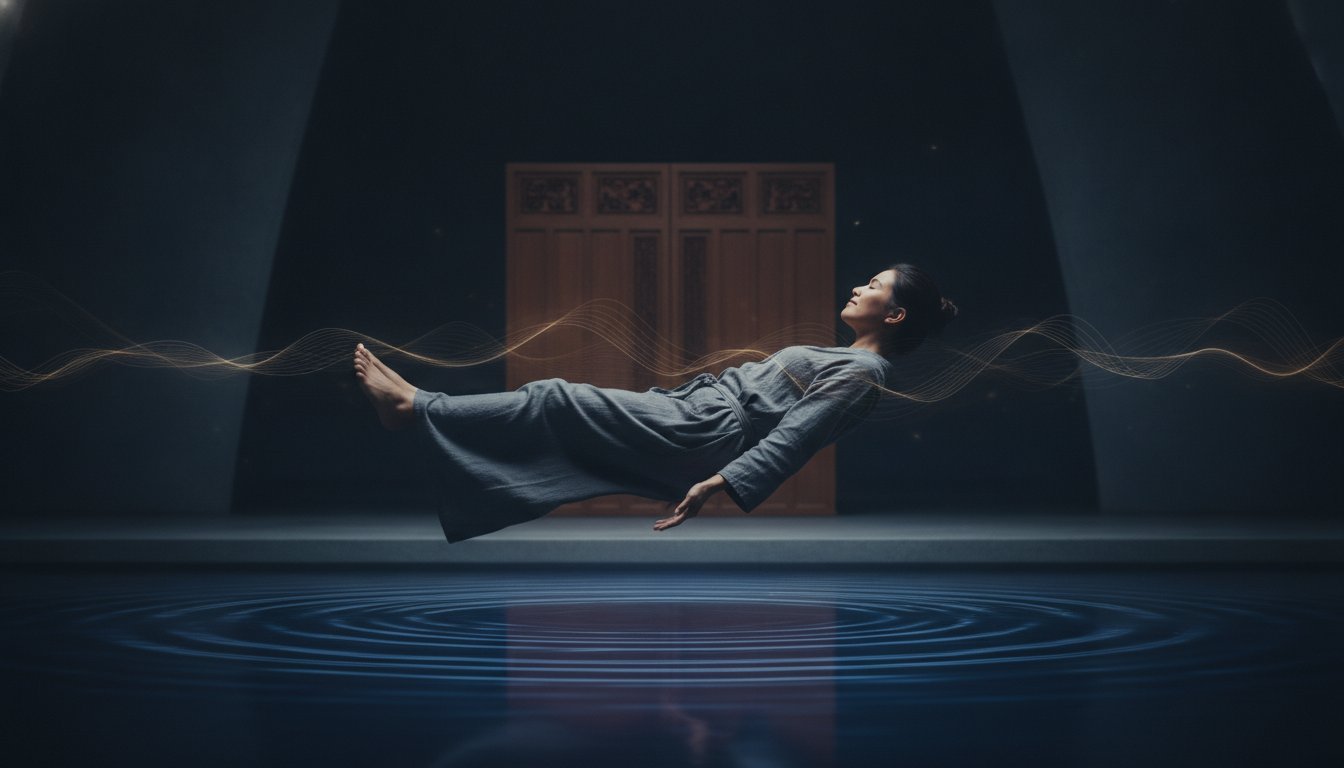
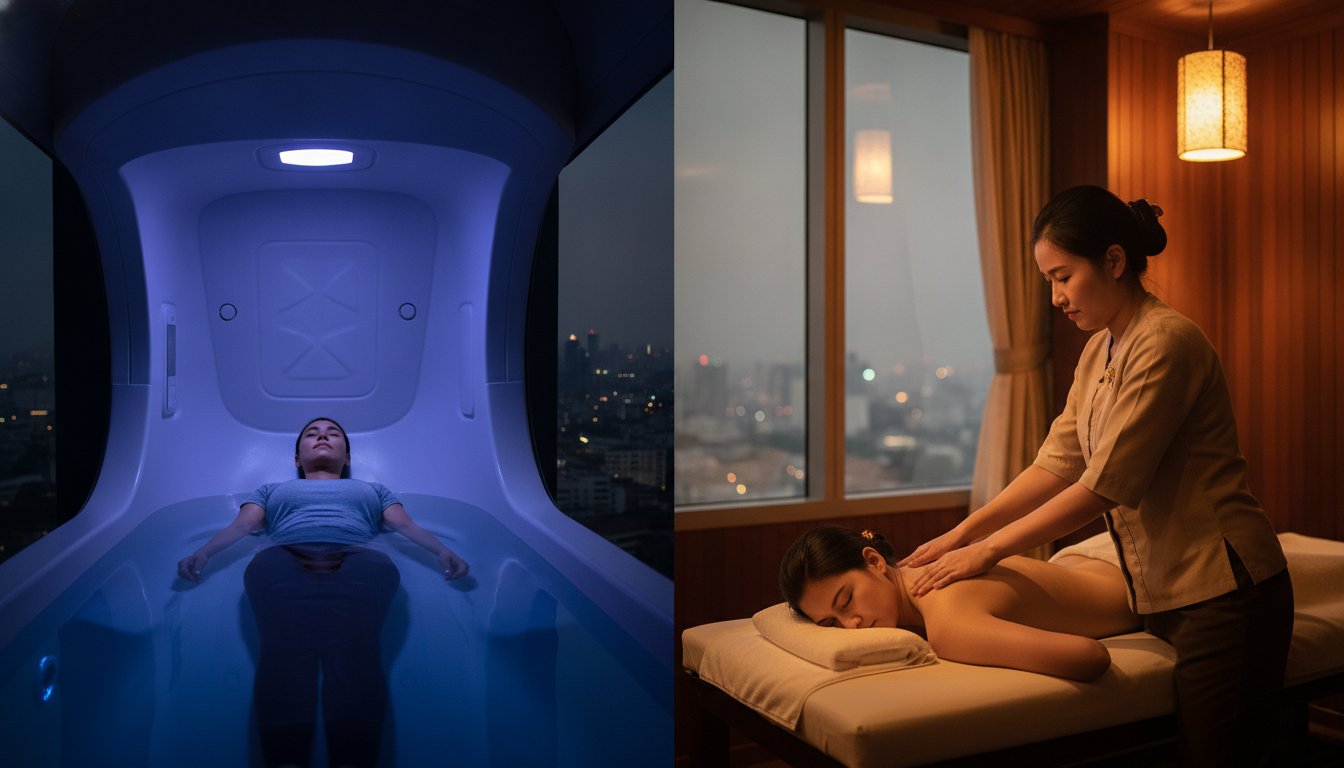
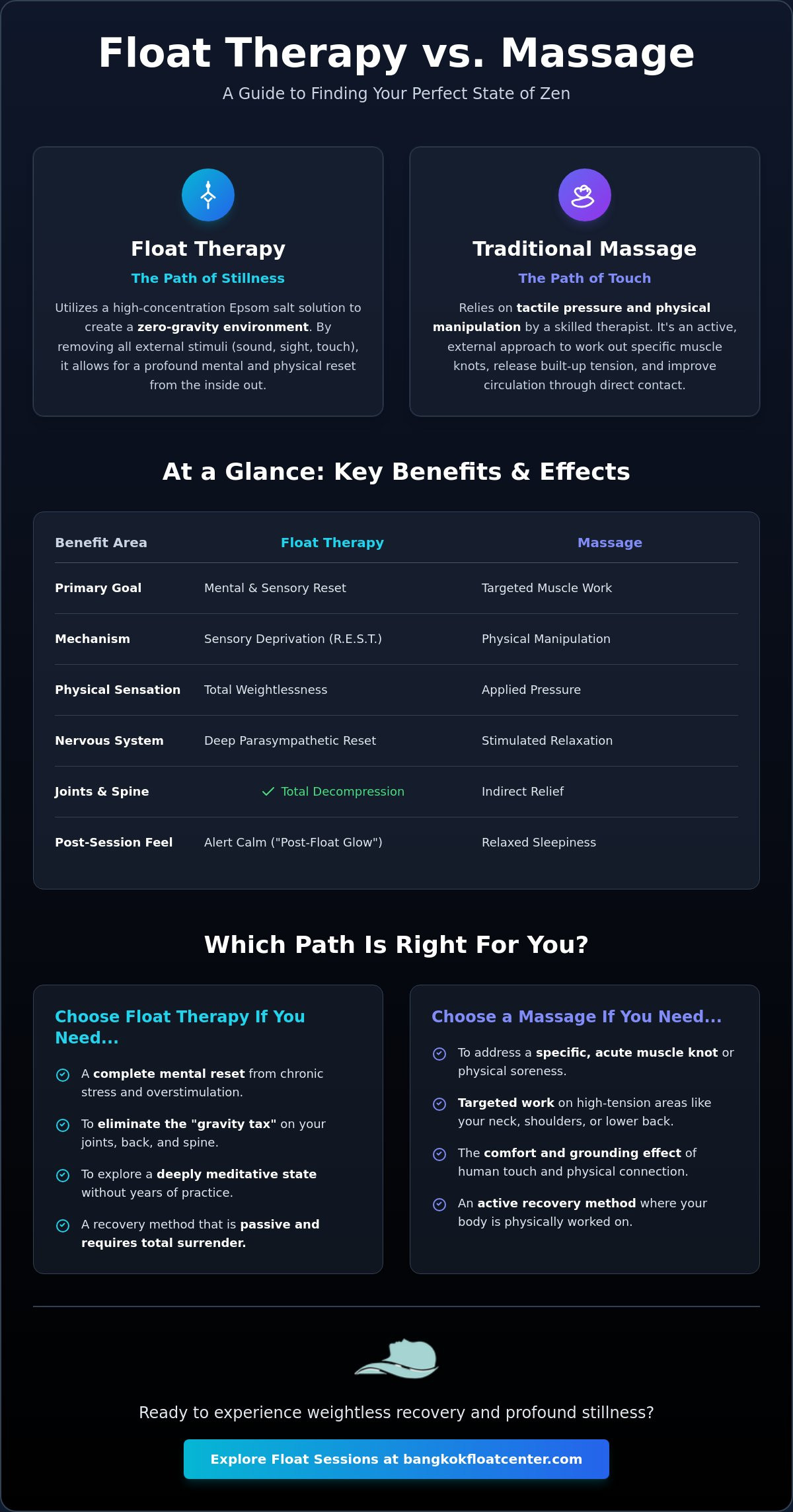
Deciding between float therapy vs massage Bangkok style often comes down to what kind of release your body is craving. Traditional massage is a proactive, tactile experience where a skilled practitioner manipulates your soft tissues to provide relief. It's an ancient art form that uses pressure to address specific physical complaints and tension. In contrast, float therapy is a practice of total surrender. You lie back in a high-concentration Epsom salt solution within an Isolation tank, allowing the buoyancy to support your entire weight. This creates a "Zero-Gravity" environment that you simply cannot find on a massage table. While a massage keeps your focus external as you respond to the therapist's touch, floating shifts your focus entirely inward, inviting a profound mental reset. The city's constant hum can make it hard to choose the right path to stillness, but understanding these mechanisms helps you choose the sanctuary that fits your current needs. A massage is like a conversation between your muscles and a therapist; floating is like a silent meditation where the water itself holds you up.
The Mechanism of Physical Touch
During a massage, the primary goal is the physical breakdown of muscle knots and the release of built-up tension. The therapist uses targeted pressure to stimulate blood flow and encourage lymphatic drainage. It's a collaborative process where you might guide the practitioner to a specific sore spot in your shoulders or lower back. There's a comforting human element to this; the presence of another person provides a sense of safety and care. It's an active form of recovery where the body is worked upon to reach a state of relaxation. For many, the social connection and the physical sensation of touch are essential for feeling grounded and cared for after a long week.
The Mechanism of Sensory Deprivation
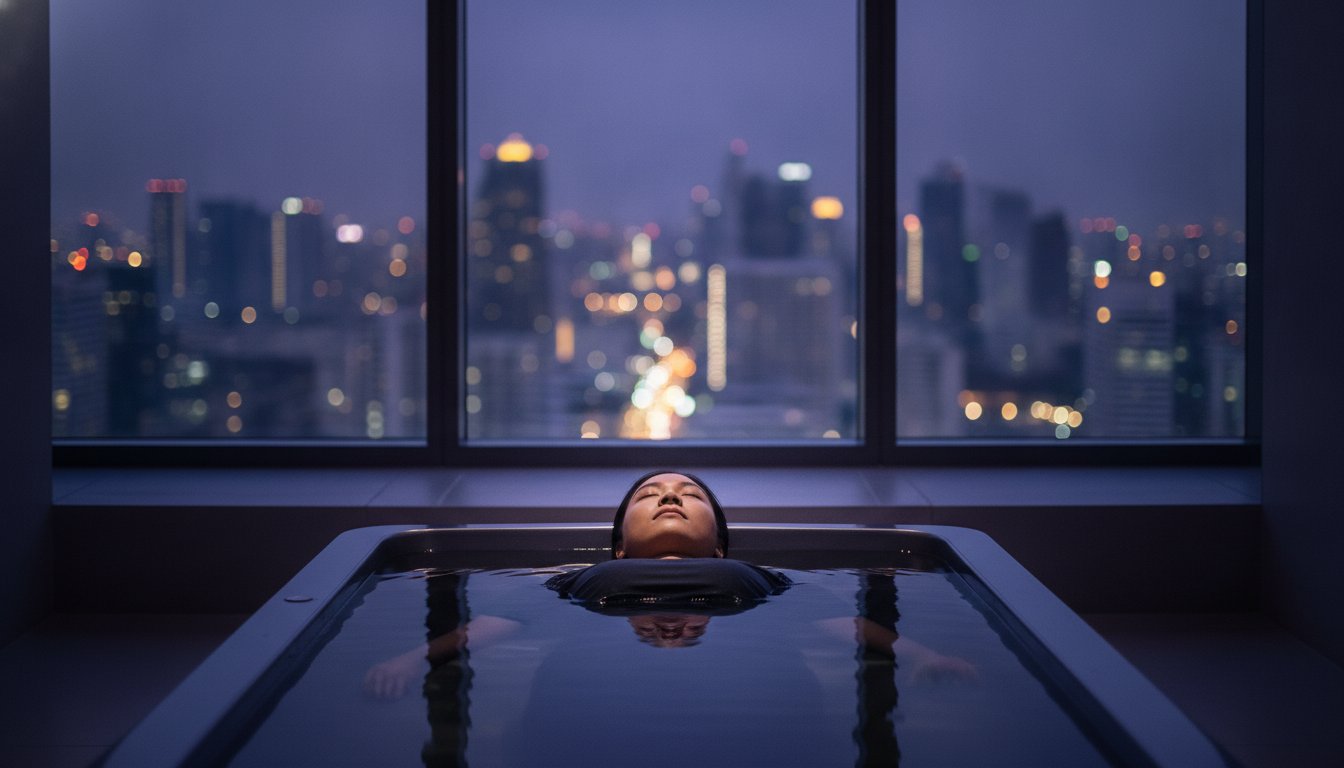
Floating relies on a scientific concept known as R.E.S.T., or Restricted Environmental Stimulation Therapy. Instead of adding pressure, we remove it entirely. The water is heated to skin temperature, which makes the boundary between your body and the liquid disappear. In the silence and total darkness of the tank, your nervous system finally gets the chance to power down. There are no pressure points against your skin. Your spine lengthens, your joints decompress, and your brain stops processing the thousands of signals it usually juggles. It's a passive recovery that allows your body to heal itself without any external interference. When comparing float therapy vs massage Bangkok residents often find that floating offers a level of weightlessness that physical touch simply cannot replicate.
The Science of Stillness: How Sensory Deprivation Compares to Physical Therapy
When comparing float therapy vs massage Bangkok seekers often look for the quickest route to peace. Traditional massage works by adding sensory input; the warmth of a therapist's hands and the rhythmic pressure on your skin tell your brain it's safe to relax. Floating, however, works by removing almost all sensory input. This creates a unique physiological shift. Research into the clinical effectiveness of floatation therapy suggests that this total reduction of environmental stimulation can be more effective for certain types of chronic pain and anxiety than traditional rest. By eliminating the "Sensory Gap", the noise, light, and touch of the world, your body stops reacting to external stressors entirely.
Massage is an active form of therapy. Your body is reacting to touch, which stimulates the parasympathetic nervous system to lower your heart rate. Floating is passive. It allows the body to find its own equilibrium without any manual intervention. This often results in a "post-float glow" where you feel mentally sharp and physically buoyant. In contrast, a massage often leads to a heavy, blissful sleepiness that makes you want to nap immediately. It's why many wellness experts call floating "meditation on steroids"; it guides the brain into deep states of relaxation that usually take years of meditative practice to achieve. If you're ready to experience this weightless recovery, you can explore our float sessions and feel the difference for yourself.
Cortisol Reduction and Stress Response
The float tank is a master at lowering cortisol, the body's primary stress hormone. While a massage provides a significant drop in stress, the lack of gravity in a tank allows the brain to shift into Alpha and Theta brainwave states almost instantly. Theta waves are typically only found in deep sleep or high-level meditation. For those suffering from chronic burnout or mental fatigue, this shift provides a total system reboot that traditional physical therapy can't always reach. It's a profound way to power down a hyper-active mind.
The Role of Magnesium and Epsom Salts
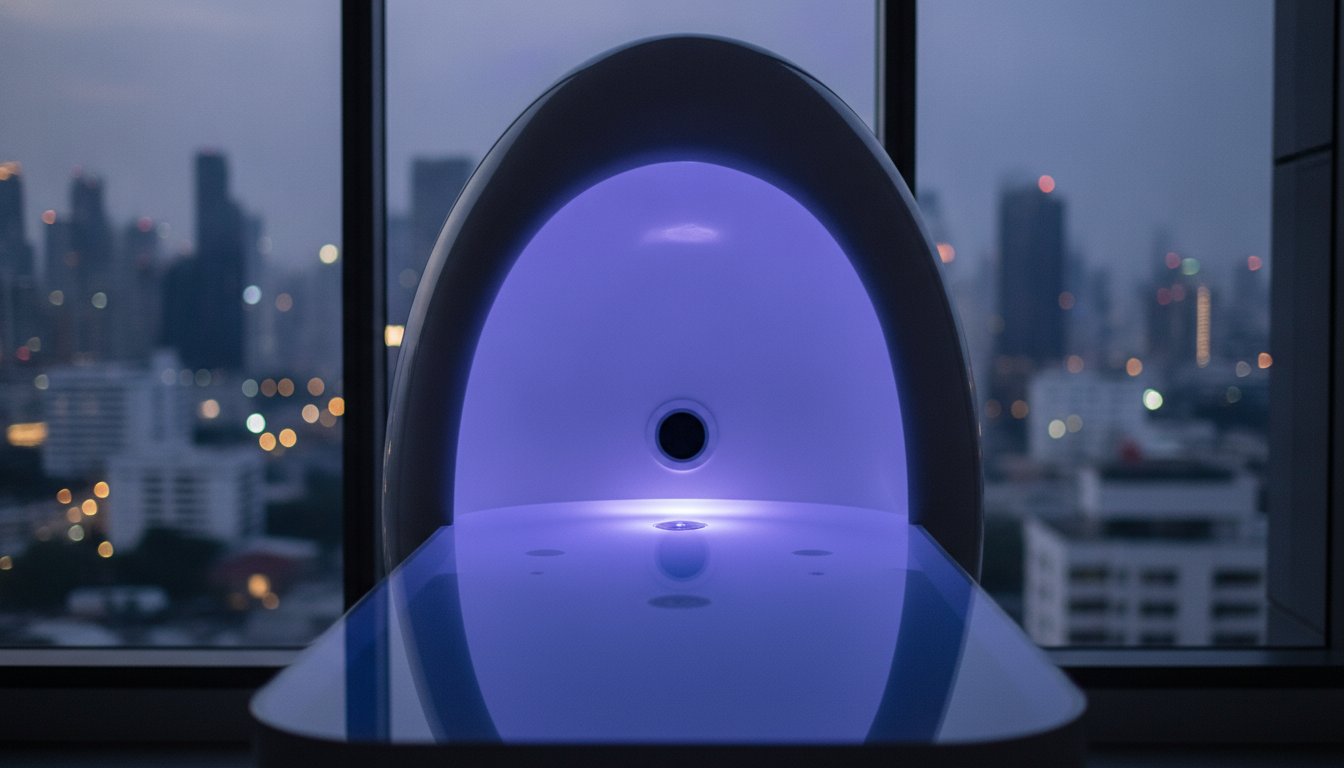
In our Dream Pods, we use 1,200 pounds of high-grade Epsom salt to create the necessary buoyancy. This isn't just for floating; it's a massive dose of magnesium. Unlike the topical oils used in traditional massage, which primarily lubricate the skin, magnesium is absorbed through the skin to aid in muscle recovery and improve sleep quality. This mineral absorption, combined with the lack of pressure points, allows for a level of physical repair that feels like a reset for every cell in your body. Your muscles don't just relax; they replenish.
Comparing the Physical and Mental Benefits
Every moment you spend navigating the busy streets of the city, your body pays a "gravity tax." This is the constant, invisible strain on your muscles and skeletal system as they fight to keep you upright. While a traditional massage offers a localized approach to this burden, floating eliminates the tax entirely. When evaluating float therapy vs massage Bangkok locals often find that while a massage provides immediate, tactile relief for specific knots, floating offers a systemic decompression that reaches every joint simultaneously. Massage manipulates your body to find relaxation; float therapy removes the world to let the body heal itself. This shift from external manipulation to internal stillness creates a framework where physical relief and mental clarity can finally coexist without distraction.
The duration of these effects also differs significantly. A massage often provides a wonderful sense of physical ease that lasts for a few days, characterized by a pleasant, heavy relaxation. Floating tends to leave a "residual glow" that can last for a week or more, particularly affecting your mental state. In our hyper-connected world, the unique benefit of "nothingness" cannot be overstated. By entering a space where no one can reach you and no external signals demand your attention, you allow your brain to process stress in a way that traditional spa treatments simply cannot replicate.
Physical Pain and Injury Recovery
There are times when the human touch of a therapist is exactly what's needed. If you're dealing with localized injuries, specific muscle knots, or want to improve your flexibility, the physical and mental benefits of massage are well-documented. A therapist can identify and work through adhesions in the fascia that a passive float might not resolve. However, for those suffering from chronic joint pain, back issues, or total body inflammation, the weightlessness of a float tank is superior. It allows the spine to lengthen and the joints to breathe without the pressure of a massage table. Many athletes find the greatest success by using both; they use massage for targeted work and floating for systemic recovery and magnesium absorption.
Mental Health and Cognitive Performance
The mental benefits of floating are where the experience truly shines as a "Zen Guide" for the modern mind. By entering the Theta brainwave state, you tap into a level of creative problem-solving and deep meditation that is rarely accessible in daily life. This sensory deprivation is particularly effective for those managing anxiety or ADHD symptoms, as it provides a rare break from the overstimulation of urban life. While a massage relaxes the body and calms the mind through comfort, floating offers a profound cognitive reset. It's a journey into a silent sanctuary where your thoughts can finally settle, leading to improved focus and long-term stress reduction.
Choosing Your Path: When to Book a Float and When to Book a Massage
Choosing between float therapy vs massage Bangkok can be a simple decision once you identify where your tension lives. If you have a specific knot in your shoulder from carrying a heavy bag, a traditional massage is an excellent choice for targeted, tactile work. However, if you feel a general sense of being "heavy" or mentally scattered, floating offers a more comprehensive release that physical touch cannot replicate. Think of it as a checklist for your well-being. Are you physically sore in one localized spot, or are you mentally exhausted and overstimulated everywhere? In the debate of float therapy vs massage Bangkok visitors often find that while massage treats the symptoms of a busy life, floating treats the source by removing the noise entirely.
We recommend a 60min Float for those new to the experience, as it provides a perfect introduction to weightlessness. For those seeking a deeper Theta state and a more profound mental reset, the 90min Float allows the brain more time to fully detach from the external world. To maintain a consistent state of zen, many of our guests find that a bi-weekly session helps prevent the accumulation of chronic stress and "gravity tax" on the joints.
Scenario-Based Recommendations
- For Jet Lag: Floating is the ultimate cure for travelers. It allows your internal clock to reset in a gravity-free environment, helping your body adjust to a new time zone much faster than a massage.
- For High-Intensity Workers: If your job requires constant screen time and decision-making, the sensory deprivation of a float tank provides the deep mental silence necessary to prevent burnout.
- For Couples: If you're looking for a unique shared experience that goes beyond a standard spa day, our Couple 60min Float or Couple 90min Float allows you to find stillness alongside a partner in a specialized sanctuary.
Overcoming Common Hesitations
Many people hesitate to try floating because of a fear of enclosed spaces. It's helpful to know that our Dream Pods are designed with spaciousness in mind; they are large enough to sit up in and you remain in total control of the experience at all times. You can choose to leave the internal light on or keep the lid open until you feel comfortable. Regarding hygiene, float tanks are exceptionally clean environments. The high salt concentration is naturally sterile, and our specialized filtration system cleans the water multiple times between every session. A helpful tip for first-timers is to embrace the "20-minute transition period." It takes about that long for your brain to realize it doesn't have to process any external data. Once you pass that threshold, the true weightlessness begins. If you're ready to step away from the noise, you can book your session today and discover a new level of serenity.
The Bangkok Float Center Experience: Your Sanctuary for Weightless Recovery
Stepping into our center is a deliberate move away from the city's relentless pulse. The moment you cross the threshold, the roar of Bangkok's traffic fades, replaced by a profound and inviting quiet. We've designed this sanctuary as a specialized haven for those seeking a level of relief that goes beyond the surface. When you compare the immersive environment of float therapy vs massage Bangkok wellness seekers often find a distinct shift toward total sensory control here. Our center acts as a bridge to a state of being where gravity no longer exists. By utilizing state-of-the-art Dream Pod technology, we ensure your transition into weightlessness is seamless, safe, and deeply restorative.
Our focus is entirely on the art and science of the float. Unlike multi-purpose spas, we specialize in sensory deprivation to provide a pure, uninterrupted journey into stillness. This dedicated expertise allows us to guide you through the process with a gentle, professional warmth that ensures you feel supported at every stage. Whether you're looking to shed the "gravity tax" of a long flight or seeking a mental escape from a high-pressure career, our facility is optimized for your personal transformation.
Tailored Sessions for Every Need
We provide a variety of options to suit your personal schedule and recovery goals. Each session is a step toward physical renewal and mental clarity. You can choose the experience that best fits your current state of being:
- 60min Float (฿1,700): An ideal mental clearing for those with a busy schedule who need a quick, effective reset.
- 90min Float (฿1,950): Our recommended choice for a deep float, allowing your brain the necessary time to enter the profound Theta state.
- Couple 60min Float (฿3,300): Share the serenity with a partner in a unique, tranquil environment.
- Couple 90min Float (฿3,900): The ultimate shared journey for those seeking long-lasting stress reduction and total physical release.
Your Journey to Stillness Starts Here
Your experience begins with a warm welcome and a soothing cup of tea as our experts guide you through a gentle orientation. We understand that the transition from a high-energy environment to total stillness requires a methodical, calming approach. You'll be led to your private spa suite, a personal sanctuary equipped with everything you need for your session. There are no distractions here; no phones, no noise, and no external demands. It's just you and the water. This commitment to a "pure" float experience is what sets us apart. We act as your Zen Guide, ensuring that every detail, from the skin-temperature water to the absolute silence of the room, is optimized for your physical and mental renewal. It's time to leave the burden of the world behind and rediscover your natural balance.
Book your weightless journey at Bangkok Float Center and discover the path to a perfect state of zen.
Begin Your Weightless Journey
Choosing the right path to recovery depends on whether you need physical manipulation or a complete mental reset. While traditional massage is a powerful tool for releasing specific muscle knots, floating offers a unique sanctuary where the "gravity tax" on your joints is finally lifted. By embracing the silence of our specialized environment, you allow your brain to enter a restorative Theta state. In the ongoing comparison of float therapy vs massage Bangkok residents are discovering that profound healing often happens in the absence of all sensation. It's a transition from doing to simply being.
At Bangkok Float Center, we provide a sophisticated experience backed by over 750+ 5-star reviews on Tripadvisor. Every guest enjoys the sanctuary of private spa suites and the comfort of state-of-the-art Dream Pod technology. Whether you seek to cure jet lag or simply wish to escape the city's overstimulation, we are here to act as your reliable partner in well-being. Experience total weightlessness; book your session today and rediscover your natural balance. We look forward to welcoming you into the quiet.
Frequently Asked Questions
Is float therapy more effective than a massage for stress?
Effectiveness depends on the nature of your stress, but floating is often more powerful for chronic mental burnout. While a massage targets physical tension through touch, floating removes all external stimuli to allow the brain to reset. It addresses the nervous system's stress response at a deeper, more systemic level than manual therapy.
Can I do float therapy if I am claustrophobic?
Yes, you can absolutely float even if you have a fear of enclosed spaces. Our Dream Pods are spacious and you remain in complete control of the lid and internal light throughout the session. Many guests find that the sensation of weightlessness makes the physical boundaries of the tank disappear, creating a feeling of infinite space.
How much does a float session cost compared to a massage in Bangkok?
A float session requires a higher investment than a basic Thai massage due to the specialized technology and high volume of Epsom salts involved. When weighing float therapy vs massage Bangkok prices reflect the difference between a labor-intensive manual service and a resource-intensive sanctuary experience. You're paying for a unique environment of zero-gravity and total sensory deprivation.
Should I shower before or after my float session?
You must shower both before and after your session to ensure the best experience. The pre-float shower removes oils and skin products to maintain the purity of the salt solution. The post-float shower is essential to rinse off the high concentration of Epsom salts, leaving your skin feeling soft and your hair clean after your journey into weightlessness.
Is it okay to float if I have recently had a massage?
Floating after a massage is an excellent way to deepen your physical recovery. The weightlessness of the tank allows the muscles that were just manipulated by a therapist to settle and integrate the work without the strain of gravity. It's a synergistic approach that combines the benefits of tactile release with passive, systemic relaxation.
What is the difference between a 60-minute and 90-minute float?
The primary difference is the depth of the mental state you can achieve during the session. A 60-minute session is perfect for a physical reset and a quick mental clearing. A 90-minute session provides your brain with the extra time needed to fully transition into the deep Theta brainwave state, which is where the most profound creative insights occur.
Will my skin prune like it does in a bathtub?
No, your skin won't prune or wrinkle during a float session. The high concentration of Epsom salt in the water prevents the osmosis that causes pruning in fresh water. Instead, you'll likely find that your skin feels remarkably smooth and silky when you emerge, thanks to the mineral-rich environment of the tank.
Can couples float together in the same tank?
We offer couple packages for those who wish to embark on this restorative journey together. While many people choose to float in separate pods to maximize the sensory deprivation experience, sharing the experience can be a beautiful way to find a shared state of zen. It allows you to escape the city's noise alongside a partner in a specialized sanctuary.